

⚡ Golden Retriever Dog at a Glance: Key Specifications & Benchmarks
| Scientific Name | Canis lupus familiaris (Sporting Dog Class) |
| Breed Origin | Scottish Highlands (Guisachan, Scotland) |
| Historic Role | Waterfowl and upland game bird retrieval, estate hunting, companionship |
| Mature Male Weight | 65 to 75 lbs (29.5 to 34.0 kg) |
| Mature Female Weight | 55 to 65 lbs (25.0 to 29.5 kg) |
| Mature Male Height | 23 to 24 inches (58.5 to 61.0 cm) at the shoulder |
| Mature Female Height | 21.5 to 22.5 inches (54.5 to 57.0 cm) at the shoulder |
| Average Lifespan | 10 to 12 years under conscientious veterinary screening and lean diet management |
The Golden Retriever is consistently ranked among the most beloved, versatile, and intelligent canine breeds in the world. Developed in the rugged Scottish Highlands during the mid-nineteenth century by Dudley Marjoribanks (Lord Tweedmouth), this sporting aristocrat was selectively bred to retrieve downed waterfowl with a tender ‘soft mouth’ from both icy lochs and dense marshlands. Gradual dietary transitions protect digestive stability in Golden Retriever Dog.
Modern homesteaders, hunters, and active families treasure the Golden Retriever for an eager-to-please temperament, boundless affection, and remarkable working adaptability. For broader working dog training strategies, explore our comprehensive farm working dogs training and breed directory. Selecting healthy foundation stock is the cornerstone of successful Golden Retriever Dog management.
Beyond their hunting heritage, Golden Retrievers excel as service animals, search-and-rescue partners, and dependable farm companions. Their biddable nature and gentle disposition make them safe companions around young children, livestock, and poultry.
Their radiant enthusiasm is infectious. Whether carrying a favorite stick across the lawn or learning complex farm tasks, the Golden Retriever approaches daily life with an unyielding joyful spirit that enriches every rural household. Good predator-proofing and dry bedding safeguard Golden Retriever Dog comfort in harsh weather.
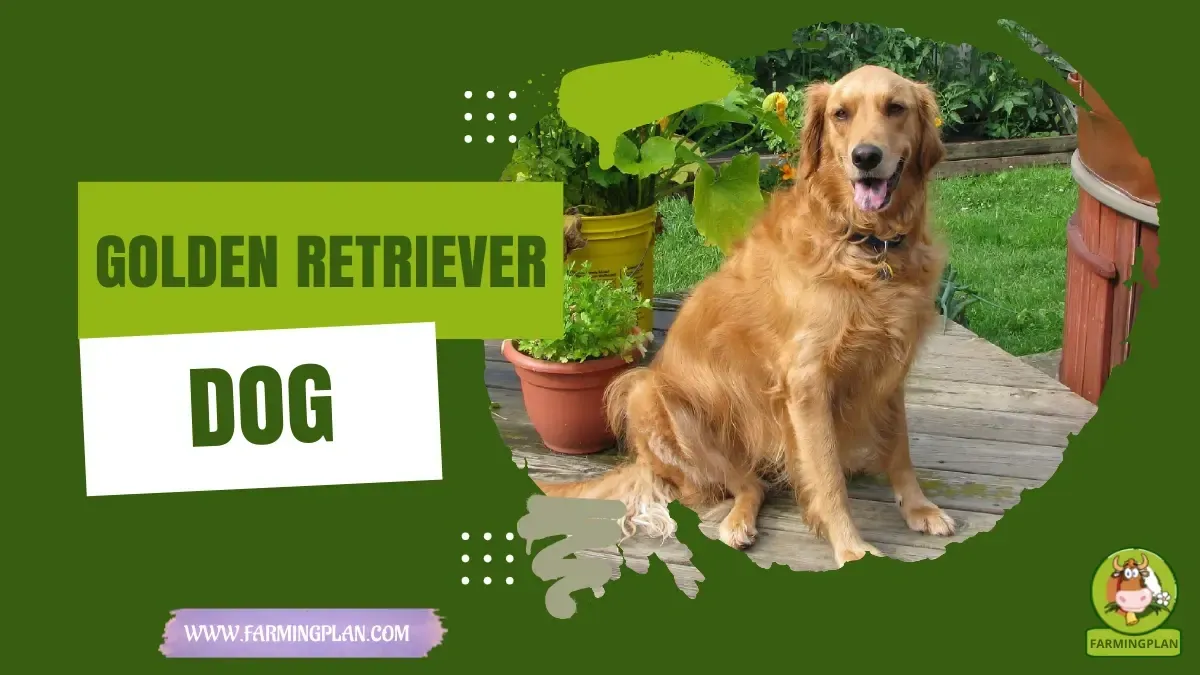
Physical Characteristics & Breed Standards
The Golden Retriever is a sturdy, well-proportioned sporting dog with a powerful, rhythmic gait and symmetrical outline. The body is built for athletic endurance, capable of swimming and quartering fields for hours without fatigue. Monitoring water quality and mineral balance directly benefits Golden Retriever Dog vitality.
Conformation judges emphasize balance, sound leg alignment, and a dense, water-repellent double coat that shields the dog from wet underbrush and freezing waters.
Conformation Standards & Anatomical Structure
The head is broad with a well-defined stop, kind dark eyes radiating intelligence, and medium-sized ears folding forward against the cheeks. The muzzle is deep, wide, and capable of carrying game without tooth pressure. Practical hands-on husbandry ensures consistent results when raising Golden Retriever Dog.
The neck is medium-long and muscular, transitioning smoothly into well-laid-back shoulders and a level topline. The chest is deep between the forelegs, housing generous heart and lung capacity, while the tail is carried level with the back in natural, joyful motion. Early intervention at the first sign of lethargy protects overall Golden Retriever Dog flock or herd health.
Forelegs are straight with substantial bone, while hindquarters are broad and muscular with well-bent stifles that generate powerful forward propulsion through muddy fields.
Size, Weight Benchmarks & Color Variations
Mature males stand 23 to 24 inches at the withers and weigh 65 to 75 lbs, while females stand 21.5 to 22.5 inches and weigh 55 to 65 lbs. Oversized dogs face joint strain and decreased field stamina. Structured culling and biosecurity protocols strengthen Golden Retriever Dog genetic quality.
The coat color ranges through various shades of lustrous gold, from warm cream to rich red-gold. The coat features a dense, water-resistant undercoat and flat or wavy outer guard hairs with feathering on the legs, chest, and tail. Maintaining clean feeders and sanitized equipment supports sustainable Golden Retriever Dog care.
Paws are medium-sized, round, and compact with thick protective pads that insulate against ice and sharp brambles during outdoor hunting excursions.
⚡ Golden Retriever Dog Performance & Production Matrix
| Trait Benchmark | AKC Breed Standard Metric | Homestead Advantage | Care Consideration |
|---|---|---|---|
| Adult Weight | 55 – 75 lbs | Manageable house size with adequate field strength | Prone to obesity; requires strict portion control |
| Retrieval Drive | Extremely High (Soft Mouth) | Natural partner for hunting and interactive farm play | Must be provided designated toys to prevent chewing |
| Temperament Score | 9.8 / 10 Friendly & Eager | Zero aggression toward family, guests, or livestock | Poor guard dog; greets strangers with enthusiasm |
| Coat & Shedding | Double Coat, Seasonal Shed | Excellent water repellency and cold insulation | Requires weekly brushing, increasing to daily during seasonal shedding |
| Trainability Index | Top 4 Canine Intelligence | Rapid mastery of basic obedience and complex farm chores | Needs regular mental stimulation to avoid boredom |
Breed History, Heritage & North American Development
The origins of the Golden Retriever trace to the Guisachan estate in Glen Affric, Scotland. Between 1868 and 1890, Lord Tweedmouth crossed a yellow retriever named Nous with a Tweed Water Spaniel named Belle, blending water spaniel intelligence with yellow retriever tracking prowess. Consistent daily observation helps keepers spot early changes in Golden Retriever Dog health and behavior.
Subsequent crosses with Irish Setters, Bloodhounds, and additional water spaniels refined the breed’s scenting ability, calm focus, and golden coat color. In 1911, the Kennel Club in England officially recognized the breed as ‘Retriever – Yellow or Golden,’ dropping ‘Yellow’ in 1920. Clean housing, fresh water, and balanced nutrition remain essential for Golden Retriever Dog productivity.
The American Kennel Club formally recognized the Golden Retriever in 1925. Over the ensuing century, the breed transitioned from an aristocratic shooting dog into America’s consummate family companion and elite working service dog.
Today, the breed maintains active registries worldwide, dividing gracefully between field-trial sporting lines bred for athletic speed and conformation lines prized for luxurious coats and classic breed type. Tracking feed intake and body condition supports long-term Golden Retriever Dog performance.
Housing, Shelter Dimensions & Winter Hardiness
Golden Retrievers are deeply social animals that must live indoors as integrated family members. They do not fare well isolated in outdoor kennels, which can lead to separation anxiety, barking, and destructive digging. Following biosecurity best practices reduces disease risk in any Golden Retriever Dog operation.
A securely fenced yard allows them to expend energy safely between outdoor adventures. Standard four- to five-foot fencing is typically sufficient, provided gates feature child-proof latches.
Spatial Density & Enclosure Engineering
On working farmsteads, Golden Retrievers enjoy patrolling barns and following handlers during morning chores. However, their enthusiastic friendliness means they must be trained to respect tractor pathways and large livestock enclosures. Seasonal adjustments to shelter and diet keep Golden Retriever Dog thriving year-round.
Provide cozy indoor bedding away from drafty doorways. During hot summer weather, supply air-conditioned rest spaces and cool freshwater pools, as their thick double coat retains heat during high humidity. Proper record-keeping makes breeding and culling decisions easier for Golden Retriever Dog keepers.
Establish designated mudroom cleaning stations where wet paws can be toweled off before dogs enter living quarters after romping in pasture ponds.
Nutritional Requirements, Daily Rations & Feeding Protocols
Golden Retrievers are notoriously food-driven dogs with hearty appetites that can lead to obesity if calories are not strictly managed. Excess body weight drastically increases the risk of early arthritis and hip dysplasia. Providing adequate space and ventilation prevents common stress issues in Golden Retriever Dog.
Feed a high-quality, large-breed adult canine formula providing 24% to 28% protein and balanced omega-3 fatty acids. Compare nutritional principles to other energetic working breeds in our Collie dog care and herding nutrition guide. Understanding breed-specific traits helps maximize Golden Retriever Dog longevity and output.
Crude Protein Benchmarks Across Life Stages
Puppies require dedicated large-breed puppy kibble with controlled calcium and phosphorus ratios to ensure slow, steady skeletal development over their first 14 months of life.
Adult dogs typically consume 2.5 to 3.5 cups of dry kibble daily divided into two distinct meals. Avoid strenuous exercise for one hour before and after meals to minimize gastric bloat risks. Routine preventive care saves time and lowers veterinary costs for Golden Retriever Dog.
Supplementing with glucosamine and chondroitin sulfate supports cartilage elasticity, especially for dogs that swim frequently or retrieve across rough agricultural fields. Matching forage or ration quality to life stage optimizes Golden Retriever Dog growth.
Health Management, Common Diseases & Biosecurity Standards
While Golden Retrievers are active, happy dogs, they are genetically predisposed to several significant health conditions, most notably canine cancer (hemangiosarcoma and lymphoma), hip dysplasia, elbow dysplasia, and subvalvular aortic stenosis (SAS).
Responsible breeders test breeding pairs through OFA and eye clearances via the Canine Eye Registration Foundation (CERF). Review veterinary research and canine wellness standards through the American Veterinary Medical Association (AVMA). Gradual dietary transitions protect digestive stability in Golden Retriever Dog.
Biosecurity Protocols & Veterinary Defenses
Schedule annual veterinary examinations, core vaccinations (DAP and rabies), and year-round heartworm and flea/tick preventatives. Their floppy ears trap moisture, requiring weekly ear inspections and gentle drying after swimming. Selecting healthy foundation stock is the cornerstone of successful Golden Retriever Dog management.
Maintain dental hygiene with weekly teeth brushing and dental chews. Keeping Golden Retrievers at a lean body condition score (4.5 to 5.0 out of 9) has been proven to extend their lifespan by nearly two full years.
Perform monthly skin checks under their thick coat to catch hot spots, flea bites, or unusual lumps early, seeking prompt veterinary diagnosis for any suspicious nodules. Good predator-proofing and dry bedding safeguard Golden Retriever Dog comfort in harsh weather.
Breeding Management, OFA Health Testing & Early Puppy Training
Ethical breeding of Golden Retrievers requires comprehensive health certifications before mating, including OFA hip and elbow evaluations, advanced cardiac exams by a board-certified veterinary cardiologist, and annual eye exams. Monitoring water quality and mineral balance directly benefits Golden Retriever Dog vitality.
Golden Retriever litters average seven to eight puppies, with dams demonstrating exceptional nursing patience and maternal devotion. For related working companion insights, check our guide on Airedale Terrier working puppy socialization.
Early neurological stimulation and structured socialization between three and twelve weeks are vital. Introduce puppies gently to water, varied walking surfaces, livestock noises, and gentle leash handling to nurture confident farm companions. Practical hands-on husbandry ensures consistent results when raising Golden Retriever Dog.
Reward-based positive reinforcement methods work best with this sensitive, eager-to-please breed, shaping enthusiastic retrieve habits and reliable house manners. Early intervention at the first sign of lethargy protects overall Golden Retriever Dog flock or herd health.
US Ownership Budget & Annual Maintenance Costs
Budgeting for a Golden Retriever involves purchase price from a reputable health-tested breeder, quality nutrition, grooming tools, and veterinary wellness care. Planning ahead ensures your dog enjoys a vibrant, healthy life.
The following expense schedule outlines typical initial startup costs and ongoing annual maintenance expenses for a Golden Retriever. Structured culling and biosecurity protocols strengthen Golden Retriever Dog genetic quality.
💰 Estimated Annual Budget & Maintenance Costs (USD)
| Budget Category | Item Description & Scope | Initial Capital Outlay | Annual Recurring Expense |
|---|---|---|---|
| Health-Screened Puppy Purchase | AKC purebred puppy from OFA-cleared sire and dam | $1,500 – $3,000 | $0.00 |
| Initial Gear & Crating | Heavy-duty wire crate, plush bedding, training leads, bowls | $250 – $500 | $50 – $100 |
| Premium Canine Nutrition | High-protein dry kibble (approx. 40 lbs monthly) | $0.00 | $750 – $1,100 |
| Veterinary Wellness & Vaccines | Annual exam, core vaccines, heartworm/flea prevention | $0.00 | $450 – $850 |
| Grooming Supplies & Shampoos | Undercoat rake, slicker brush, deshedding shampoo, ear cleaner | $100 – $200 | $75 – $150 |
| Training Classes & Socialization | Puppy kindergarten and intermediate obedience coursework | $200 – $450 | $0.00 |
🐕 Golden Retriever Dog Daily Calorie & Kibble Calculator
Calculate daily metabolizable energy (kcal/day), kibble cups, water, and monthly diet costs for your Golden Retriever Dog.
Frequently Asked Questions (FAQ)
Do Golden Retrievers make good farm guard dogs?
No. Golden Retrievers are inherently friendly, trusting, and enthusiastic toward people. While they will bark to announce an arrival, they lack territorial aggression and make poor property protection guardians.
How much grooming does a Golden Retriever require?
Golden Retrievers need brushing two to three times weekly with an undercoat rake and slicker brush to remove loose hair, prevent matting, and control shedding, with daily brushing recommended during spring shedding seasons.
How much daily exercise does an adult Golden Retriever need?
An adult Golden Retriever requires 60 to 90 minutes of active daily exercise, including brisk walks, retrieving fetch games, swimming, or accompanying handlers during farm chores to prevent destructive boredom.
Are Golden Retrievers safe around chickens and farm livestock?
Yes, with proper early training. Their soft-mouth retrieving instinct means they can be taught gentle restraint, though puppies must be supervised around poultry until reliable impulse control is established.
What are the most common health problems in Golden Retrievers?
The most common health issues include canine cancer (hemangiosarcoma and lymphoma), hip and elbow dysplasia, progressive retinal atrophy (PRA), subvalvular aortic stenosis, and chronic ear infections.
Expert Verdict & Next Steps for US Homesteaders
The Golden Retriever is the gold standard for family companionship, sporting utility, and biddable farm partnership. Their radiant enthusiasm, kind eyes, and willingness to learn make them a joyful addition to any homestead. Maintaining clean feeders and sanitized equipment supports sustainable Golden Retriever Dog care.
Before acquiring a puppy, insist on viewing OFA hip, elbow, heart, and eye clearances from both parents to minimize hereditary health risks. Explore our guide on Alaskan Malamute working traits and cold hardiness for contrasting working dog traits.
📚Agricultural Reference & Scientific Citations
Standards and physiological data referenced in this guide comply with USDA Animal and Plant Health Inspection Service (APHIS), American Veterinary Medical Association (AVMA), and the FAO Domestic Animal Diversity Information System.


