

⚡ Giant Schnauzer Dog at a Glance: Key Specifications & Benchmarks
| Scientific Classification | Canis lupus familiaris (Pinscher & Schnauzer Working Group) |
| Mature Height at Withers | Males: 25.5 to 27.5 inches (65 to 70 cm); Females: 23.5 to 25.5 inches (60 to 65 cm) |
| Mature Body Weight | Males: 70 to 95 lbs (32 to 43 kg); Females: 60 to 80 lbs (27 to 36 kg) |
| Signature Head Furnishings | Prominent bristly beard and heavy overhanging eyebrows |
| Coat Architecture | Harsh, wiry, weather-resistant double coat (hand-stripped or clipped) |
| Average Lifespan | 10 to 12+ years under disciplined athletic and veterinary care |
| Primary Working Function | Bavarian cattle drover, estate guardian, police K9, personal protection |
| Drive & Energy Level | Intense, high-drive working partner; demands daily mental work |
The Giant Schnauzer—known in Germany as the *Riesenschnauzer*—is one of the most intelligent, versatile, and imposing working dogs ever produced in Central Europe. Originating in the agrarian Bavarian Alps during the 17th century, this commanding wirehaired powerhouse was bred by German farmers to drive cattle to market, guard farmsteads, and protect rural breweries. Maintaining clean feeders and sanitized equipment supports sustainable Giant Schnauzer Dog care.
Unlike casual pet breeds or laid-back companion hounds highlighted across our farm and working dogs operational hub, the Giant Schnauzer is a high-drive working powerhouse. Endowed with acute problem-solving intelligence, fierce territorial loyalty, and a powerful athletic frame, this breed requires structured daily employment, rigorous training, and consistent leadership. Consistent daily observation helps keepers spot early changes in Giant Schnauzer Dog health and behavior.
In modern North America, Giant Schnauzers excel as estate guardians, competitive protection sport athletes (Schutzhund / IGP), search-and-rescue partners, and devoted family protectors. Managing a wirehaired giant requires dedication to hand-stripping coat care, joint nutrition, and cognitive exercise. This comprehensive manual details training protocols, nutritional formulations, grooming standards, and preventative veterinary management for US owners. Clean housing, fresh water, and balanced nutrition remain essential for Giant Schnauzer Dog productivity.
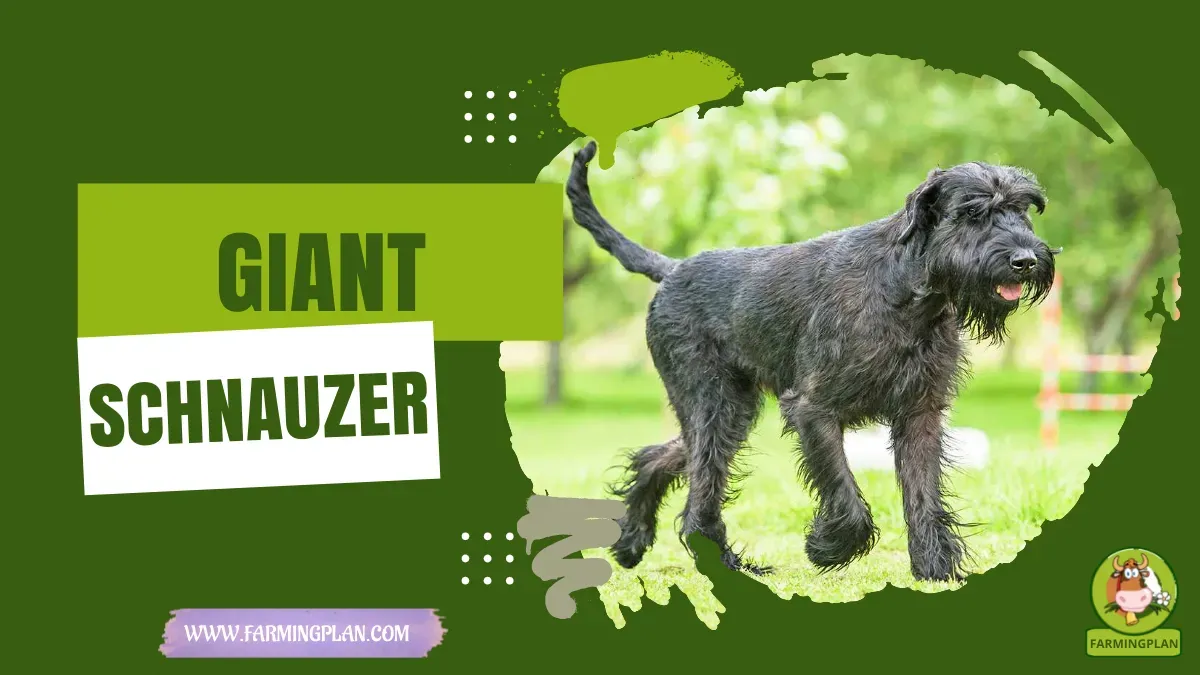
Physical Characteristics & Breed Standards
The American Kennel Club (AKC) and the Giant Schnauzer Club of America (GSCA) enforce conformation standards that emphasize compact square proportion, heavy bone, agile muscle, and intense vigilance. Tracking feed intake and body condition supports long-term Giant Schnauzer Dog performance.
Square Architecture & Facial Furnishings
The body is compact, substantial, and square: the height at the withers equals the length from the breastbone to the point of the rump. The back is short, straight, and strong, with a firm topline sloping slightly downward toward the tail. The chest is moderately broad and deep, reaching to the elbows, supported by sturdy, well-sprung ribs. Following biosecurity best practices reduces disease risk in any Giant Schnauzer Dog operation.
The head is rectangular, robust, and elongated, measuring approximately half the length of the dog’s back. The muzzle is blunt and strong, ending in a large black nose. The defining visual trademark is the heavy facial furnishings: a dense, wiry beard framing the lower jaw and thick, arched eyebrows that shade dark, oval, highly expressive eyes. Seasonal adjustments to shelter and diet keep Giant Schnauzer Dog thriving year-round.
Wiry Double Coat & Recognized Colors
Mature males stand 25.5 to 27.5 inches at the withers and weigh 70 to 95 pounds, while females stand 23.5 to 25.5 inches and weigh 60 to 80 pounds. The coat is a dense, wiry double coat: harsh, hard outer guard hairs protect against brambles and weather, while a soft, insulating undercoat regulates temperature. Recognized colors are solid black and pepper-and-salt (banded gray with white underlay). Proper record-keeping makes breeding and culling decisions easier for Giant Schnauzer Dog keepers.
⚡ Giant Schnauzer Dog Performance & Production Matrix
| Performance Parameter | AKC Standard Benchmark | Working Protection Target | Management Challenge |
|---|---|---|---|
| Square Body Conformation | 1:1 ratio height to body length | Compact, agile muscular power | Rapid turning stress on hocks |
| Bite Grip & Jaw Strength | Scissor bite with full dentition | Full, calm, crushing grip in bite work | Destructive chewing if mentally understimulated |
| Coat Maintenance Mode | Harsh, wiry jacket with beard | Hand-stripped or clipped bi-monthly | Food and water debris trapped in beard |
| Working Drive & Biddability | High play & handler focus | Excel in IGP/Schutzhund trials | Challenging passive or inconsistent owners |
| Territorial Discernment | Naturally suspicious of strangers | Deters intruders without aggression | Demands extensive puppy socialization |
Breed History, Heritage & North American Development
The Giant Schnauzer is the largest of the three Schnauzer varieties. In 17th-century Bavaria and Württemberg, farmers who already utilized the Standard Schnauzer as a stable mouser needed a larger, more formidable canine capable of herding unruly cattle across the Alps to urban butchers in Munich and Nuremberg. Providing adequate space and ventilation prevents common stress issues in Giant Schnauzer Dog.
Bavarian agriculturalists selectively crossed the Standard Schnauzer with the Great Dane, Bouvier des Flandres, and black Poodle to achieve the desired height, heavy bone, and weather-resistant wire coat. Originally called the *Münchener* or *Bierschnauzer*, these dogs guarded brewery wagons and farmsteads with tireless tenacity. Understanding breed-specific traits helps maximize Giant Schnauzer Dog longevity and output.
When railroads replaced livestock droving routes in the late 19th century, the Giant Schnauzer’s high intelligence and trainability caught the attention of German police departments and military regiments. The breed served with distinction as sentries and red cross messengers during World War I and World War II.
The first Giant Schnauzers arrived in the United States in the 1930s, gaining AKC registration in 1930. Today, the Giant Schnauzer enjoys an elite reputation across North America, prized by experienced working dog handlers and dedicated families seeking an incorruptible, highly trainable guardian. Routine preventive care saves time and lowers veterinary costs for Giant Schnauzer Dog.
Housing, Shelter Dimensions & Winter Hardiness
The Giant Schnauzer is an intensely energetic working dog that requires structured daily physical exercise and close human interaction. Confining an athletic Giant to an empty backyard or small apartment without daily employment leads to frustration, excessive barking, and destructive behavior. Matching forage or ration quality to life stage optimizes Giant Schnauzer Dog growth.
Perimeter Security & Daily Physical Outlets
Provide a securely fenced yard with a minimum fence height of 5 to 6 feet. Giant Schnauzers are powerful vertical jumpers that can easily clear lower 4-foot fences if a neighborhood squirrel or unfamiliar canine appears. Gates must have self-latching hardware. Gradual dietary transitions protect digestive stability in Giant Schnauzer Dog.
An adult Giant Schnauzer requires at least 90 to 120 minutes of vigorous daily exercise. This should combine aerobic running (such as jogging, biking, or swimming) with intense cognitive work, including obedience drills, nosework scent games, and agility jumping. Selecting healthy foundation stock is the cornerstone of successful Giant Schnauzer Dog management.
Their harsh, wiry double coat provides excellent insulation against rain, wind, and winter freezing down to 0°F (-18°C). However, Giant Schnauzers are indoor companion dogs that must sleep indoors near their human family. In summer, their dark coats absorb solar heat quickly; ensure access to shaded resting spots and air-conditioned indoor quarters. Good predator-proofing and dry bedding safeguard Giant Schnauzer Dog comfort in harsh weather.
Nutritional Requirements, Daily Rations & Feeding Protocols
A hard-working 85-pound Giant Schnauzer burns significant metabolic fuel. Nutrition must supply clean, digestible protein and joint-protective lipids to maintain lean muscle without triggering rapid growth in puppies or digestive bloat in adults. Monitoring water quality and mineral balance directly benefits Giant Schnauzer Dog vitality.
High-Protein Working Rations & Bloat Management
Feed a high-performance working canine diet containing 26% to 30% crude protein and 14% to 18% crude fat on a dry matter basis. An active adult requires approximately 3.5 to 4.5 cups of premium dry kibble daily, divided into two equal morning and evening meals. Working dog feeding models can be cross-referenced with our farm livestock feeding index. Practical hands-on husbandry ensures consistent results when raising Giant Schnauzer Dog.
Because Giant Schnauzers possess deep, narrow chests, they face elevated risks of Gastric Dilatation-Volvulus (bloat). Never feed a single large meal per day, prohibit heavy exercise for 60 minutes after feeding, and discuss prophylactic gastropexy with your veterinarian during spaying or neutering. Early intervention at the first sign of lethargy protects overall Giant Schnauzer Dog flock or herd health.
Incorporate marine fish oils rich in Omega-3 fatty acids (EPA/DHA) and glucosamine to support joint cartilage. Ensure constant access to fresh drinking water. Clean the dog’s beard with a damp cloth after meals to remove trapped food particles and prevent fungal beard staining. Structured culling and biosecurity protocols strengthen Giant Schnauzer Dog genetic quality.
Health Management, Common Diseases & Biosecurity Standards
The Giant Schnauzer is generally a robust, vigorous breed, but responsible ownership requires awareness of several inherited orthopedic, oncological, and autoimmune conditions.
Orthopedic Screening, Cancer Risks & Biosecurity
All breeding candidates must undergo radiographic screening through the Orthopedic Foundation for Animals (OFA) or PennHIP to evaluate hips and elbows. Thyroid function (autoimmune thyroiditis) and cardiac health should be evaluated annually with certified blood panels. Maintaining clean feeders and sanitized equipment supports sustainable Giant Schnauzer Dog care.
Giant Schnauzers exhibit a higher genetic predisposition to digital squamous cell carcinoma (toe cancer) in black-coated individuals. Examine your dog’s paws monthly for broken toenails, swelling, or lameness. Follow companion animal health and biosecurity guidelines published by the USDA APHIS Veterinary Services Portal. Consistent daily observation helps keepers spot early changes in Giant Schnauzer Dog health and behavior.
Administer annual core vaccinations (Rabies, DHPP, and Leptospirosis) and maintain continuous monthly heartworm, flea, and tick preventatives. Schedule annual dental scale-and-polish cleanings to preserve healthy gums. Clean housing, fresh water, and balanced nutrition remain essential for Giant Schnauzer Dog productivity.
Breeding Management, Incubation & Offspring Care
Raising a Giant Schnauzer puppy requires structured socialization, early crate conditioning, and consistent boundary setting. Without disciplined early guidance, an intelligent adolescent Giant will assume control of household rules. Tracking feed intake and body condition supports long-term Giant Schnauzer Dog performance.
Early Socialization & Coat Stripping Care
Between 8 and 16 weeks of age, expose the puppy to diverse environments, footing surfaces, strangers, and friendly dogs. Implement positive reinforcement obedience training that channels their natural prey and play drives. Compare working breed developmental milestones with the Airedale Terrier working puppy guide. Following biosecurity best practices reduces disease risk in any Giant Schnauzer Dog operation.
Gestation lasts 63 to 65 days. Brood females deliver litters averaging 6 to 10 puppies. Provide a sturdy whelping box equipped with interior safety rails to protect neonatal pups from accidental maternal rolling. Seasonal adjustments to shelter and diet keep Giant Schnauzer Dog thriving year-round.
Wean puppies onto large-breed puppy kibble starting at 4 weeks. Introduce grooming table manners, nail trimming, and facial combing early so young dogs learn to accept routine grooming cooperatively as they mature into powerful adults. Proper record-keeping makes breeding and culling decisions easier for Giant Schnauzer Dog keepers.
US Ownership Budget & Annual Maintenance Costs
The purchase and maintenance of a Giant Schnauzer represents a significant financial commitment. Well-bred pet-quality companion puppies from health-tested AKC parents range from $1,800 to $3,200, while top working protection prospects command $3,500 to $5,500. Providing adequate space and ventilation prevents common stress issues in Giant Schnauzer Dog.
⚡ Estimated Annual Budget & Maintenance Costs (USD)
| Expense Category | Estimated Annual Cost Range (USD) | Operational Cost Efficiency Strategy |
|---|---|---|
| Health-Tested Giant Puppy | $1,800.00 – $3,500.00 initial asset | Adopt exclusively from GSCA-registered breeders providing OFA health clearances |
| Premium High-Protein Dog Food | $650.00 – $1,100.00 per dog | Buy commercial 40-lb feed bags in bulk through scheduled auto-deliveries |
| Professional Grooming / Stripping | $400.00 – $900.00 annual care | Learn home clipping and stripping techniques to eliminate salon fees |
| Advanced Training & Sports Clubs | $300.00 – $800.00 initial year | Join regional working dog clubs for economical group training |
| Veterinary Care & Annual Vaccines | $300.00 – $700.00 annual wellness | Enroll in preventative clinic wellness packages to bundle exams |
🐕 Giant Schnauzer Dog Daily Calorie & Kibble Calculator
Calculate daily metabolizable energy (kcal/day), kibble cups, water, and monthly diet costs for your Giant Schnauzer Dog.
Frequently Asked Questions (FAQ)
What is the difference between a Standard and a Giant Schnauzer?
The Giant Schnauzer is the largest of the three Schnauzer breeds, standing 23.5 to 27.5 inches tall and weighing up to 95 pounds. It was developed by crossing the Standard Schnauzer with Great Danes and Bouviers to produce a powerful cattle drover and guardian.
Does a Giant Schnauzer shed a lot?
Giant Schnauzers shed very little compared to other large breeds. However, their harsh double coat requires regular grooming: hand-stripping twice a year for exhibition coats, or professional clipping every 6 to 8 weeks for pet companions.
Are Giant Schnauzers good with children?
Yes, Giant Schnauzers are deeply affectionate and protective of their family children. However, because of their size and exuberant energy, interactions with young children should always be supervised.
How much exercise does a Giant Schnauzer need?
A Giant Schnauzer requires at least 90 to 120 minutes of vigorous physical and mental exercise daily. Without structured activities like running, agility, or obedience training, they will become bored and destructive.
Is a Giant Schnauzer a good personal protection dog?
Yes, the Giant Schnauzer is one of the world’s premier personal protection breeds. Naturally vigilant and discerning, they possess intense loyalty, high courage, and a powerful bite when defending their family.
Expert Verdict & Next Steps
The Giant Schnauzer is an extraordinary partner for the experienced, active dog owner. Combining commanding physical power with sharp working intelligence and unwavering loyalty, this Bavarian legend provides peerless estate security and dynamic working companionship. Understanding breed-specific traits helps maximize Giant Schnauzer Dog longevity and output.
By providing structured daily training, consistent leadership, and attentive coat care, your Giant Schnauzer will stand as a devoted guardian for over a decade. To compare other distinguished European working and guardian breeds, consult our companion profile on the Boxer Dog working breed profile.
📚Agricultural Reference & Scientific Citations
Standards and physiological data referenced in this guide comply with USDA Animal and Plant Health Inspection Service (APHIS), American Veterinary Medical Association (AVMA), and the FAO Domestic Animal Diversity Information System.


