

📊 Flemish Giant Rabbit at a Glance: Key Specifications & Production Benchmarks
| Scientific Classification | Oryctolagus cuniculus (Giant Semi-Arch Mandolin) |
| ARBA Breed Standard | ARBA Heavyweight Semi-Arch Breed (King of Rabbits) |
| Mature Buck Weight | 14.0 to 18.0+ lbs (6.4 to 8.2+ kg) |
| Mature Doe Weight | 15.0 to 22.0+ lbs (6.8 to 10.0+ kg) |
| Fleece & Fur Type | Dense, lustrous rollback fur (1 to 1.25 inches) in 7 official ARBA colors |
| Average Lifespan | 7 to 11+ years with proper dental and gut care |
| Standard Gestation Period | 31 to 33 days |
| Dietary Foundation | Unlimited Timothy hay + 1.0 to 1.5 cups 16% balanced pellets + dark leafy greens |
| Temperament & Handling | Docile, gentle, calm, dog-like personality, relaxed and trainable |
| Estimated Initial Cost | $350 – $600 for pedigree breeding pair + extra-large custom enclosure |
The Flemish Giant Rabbit stands among the most celebrated, charming, and productive lagomorph breeds in North America. Renowned for its distinctive physical attributes, gentle disposition, and versatile agricultural utility, this breed excels as a commercial fur producer, sustainable homestead meat animal, luxury spinning fiber source, or affectionate family companion. Practical hands-on husbandry ensures consistent results when raising Flemish Giant Rabbit.
Whether you are designing a high-efficiency rabbitry through our comprehensive rabbit farming operations guide or caring for cherished backyard animals, the Flemish Giant Rabbit rewards attentive husbandry with exceptional health and responsiveness. Their compact housing footprint and high feed conversion efficiency make them ideal small livestock for suburban homesteads and commercial rural rabbitries alike.
Unlike fragile or skittish lagomorphs, the Flemish Giant Rabbit adapts smoothly to human interaction when handled calmly from early kit stages. Their intelligence, cleanliness, and ease of litter box training make them equally comfortable in outdoor sheltered hutches or spacious indoor exercise pens. Early intervention at the first sign of lethargy protects overall Flemish Giant Rabbit flock or herd health.
Physical Characteristics & Conformation Standards
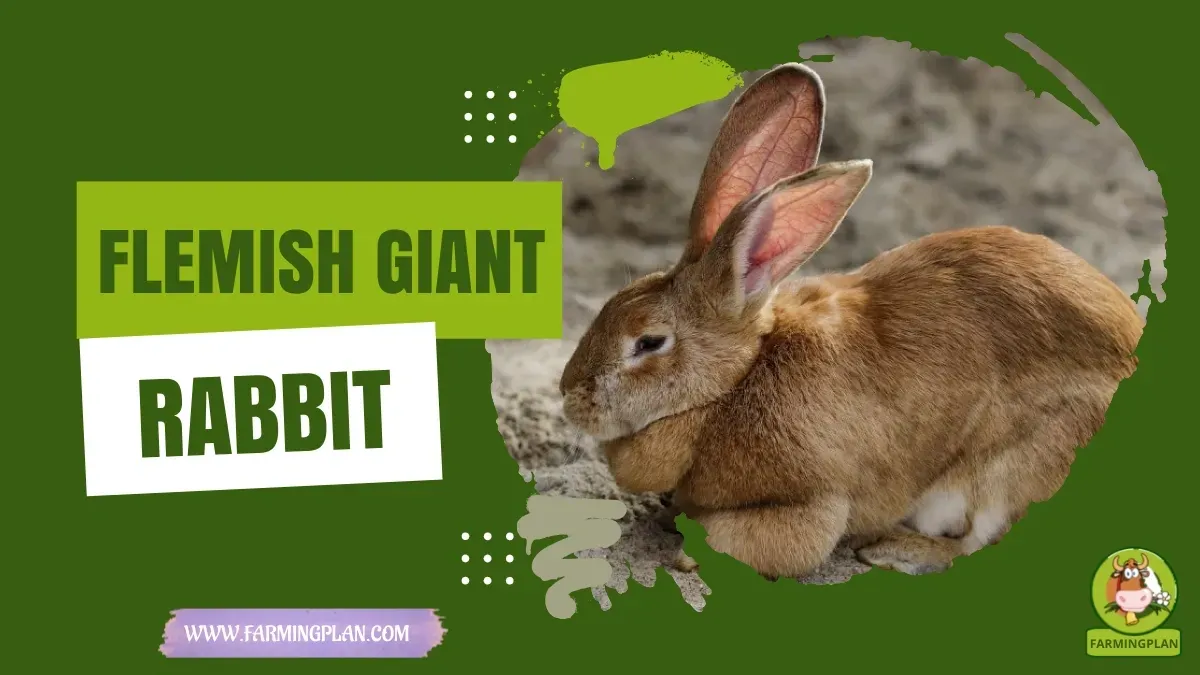
Breed conformation in the Flemish Giant Rabbit emphasizes structural symmetry, balanced skeletal bone, and pristine coat condition matching official standards set by the American Rabbit Breeders Association (ARBA). Senior bucks average 14.0 to 18.0+ lbs (6.4 to 8.2+ kg), displaying compact or mandolin body contours and firm shoulder development. Senior does weigh 15.0 to 22.0+ lbs (6.8 to 10.0+ kg), displaying feminine refinement and balanced loin width.
Coat Texture & Structural Architecture
The defining breed hallmark centers upon the coat (Dense, lustrous rollback fur (1 to 1.25 inches) in 7 official ARBA colors). Guard hairs and undercoat fibers work in harmony to repel dust and regulate core temperature. Ears must be clean, erect, and properly proportioned to the skull. Eyes should be bright, bold, and free from discharge, while the spine must show smooth muscling without protruding vertebrae.
📊 Flemish Giant Rabbit Performance & Production Matrix
| Production Metric | Breed Benchmark Target | Homestead Management Advantage |
|---|---|---|
| Fiber & Fur Value | Dense, lustrous rollback fur (1 to 1.25 inches) in 7 official ARBA colors | High-grade commercial pelt or specialty luxury spinning fiber |
| Feed Conversion | High assimilation of roughage cellulose into lean body mass | Converts inexpensive grass hays into nutrient-dense fertilizer |
| Kit Production | Litters average 5 to 9 robust, active kits with strong doe milk | Rapid multi-generational breeding cycle for homestead self-reliance |
| Garden Fertilizer | Produces cold nitrogen-phosphorus manure that requires no composting | Direct top-dressing onto garden vegetables without burning plant roots |
| Temperament Score | Consistently calm, docile, and gentle during handling and nail trims | Safe, rewarding livestock project for children and 4-H youth |
Breed History, Heritage & North American Development
Bred in the Flanders region of Belgium (Ghent) dating back to the 16th century; imported to the US in the 1890s to improve commercial meat stock and exhibition rabbitries. Structured culling and biosecurity protocols strengthen Flemish Giant Rabbit genetic quality.
Throughout the 20th century, dedicated North American rabbit clubs worked systematically to refine breed health, eliminate genetic malocclusion (wolf teeth), and standardize coloration varieties. By emphasizing structural vitality alongside coat genetics, breeders established foundational bloodlines that remain celebrated today.
Today, the Flemish Giant Rabbit flourishes across all 50 US states, maintained by passionate hobbyists, commercial rabbitries, and urban homesteaders. Their manageable scale and versatile productivity establish them as an enduring cornerstone of modern sustainable small livestock farming.
Housing, Shelter Dimensions & Environmental Controls
Proper lagomorph housing requires two absolute environmental priorities: adequate spatial freedom and continuous, draft-free ventilation. Rabbits possess sensitive respiratory tracts; stagnant air, accumulated ammonia fumes, and excessive ambient heat can quickly prove fatal. Maintaining clean feeders and sanitized equipment supports sustainable Flemish Giant Rabbit care.
Cage Dimensions & Flooring Design
Provide at least 12 to 15 square feet of combined cage and exercise run space for standard-sized rabbits, expanding to 20 to 30+ square feet for giant breeds. To prevent painful pododermatitis (ulcerative sore hocks), provide solid flooring or thick plastic resting boards rather than bare wire meshes. Maintain bedding with clean pine pellets, aspen shavings, or kiln-dried straw.
Environmental enrichment prevents behavioral stereotyping, boredom bar-chewing, and psychological frustration. Equip hutches with untreated kiln-dried pine hideaway boxes, compressed hay tunnels, and untreated apple wood chewing sticks to promote healthy mental engagement and natural gnawing activity.
Rabbits tolerate freezing winter cold exceptionally well down to 15°F (-9°C) with dry bedding and windbreaks. However, ambient temperatures exceeding 85°F (29°C) trigger severe, life-threatening heat stroke. In summer, rabbitries must utilize shade tarps, ceramic cooling tiles, and frozen two-liter water bottles, following housing protocols from our solid floor giant rabbit hutch plans. Consistent daily observation helps keepers spot early changes in Flemish Giant Rabbit health and behavior.
Nutritional Requirements, Daily Rations & Feeding Protocols
As hindgut fermenters, rabbits rely on a complex cecum microbial flora that requires continuous dietary indigestible fiber. Starches, sugary treats, and grain overload disrupt cecal pH, killing beneficial fermentation bacteria and triggering deadly gastrointestinal (GI) stasis.
The 80% Hay Rule & Ration Formulations
At least 80% of a rabbit’s daily diet must consist of fresh, fragrant grass hay (Timothy, Orchard grass, or Meadow brome) fed in unlimited quantities. Long-strand hay fibers keep digestive motility active and naturally grind open-rooted, continuously growing incisors and molars. Complement grass hay with Unlimited Timothy hay + 1.0 to 1.5 cups 16% balanced pellets + dark leafy greens. Clean housing, fresh water, and balanced nutrition remain essential for Flemish Giant Rabbit productivity.
Fresh forage greens add essential bioavailable phytonutrients, trace enzymes, and hydration to daily digestive intake. Introduce washed organic dandelion leaves, fresh garden herbs, and plantain leaves gradually to prevent cecal dysbiosis in growing young bunnies.
Provide small daily servings of safe dark leafy greens such as romaine lettuce, cilantro, dandelion greens, and parsley. Always ensure clean, fresh water is available 24/7 in heavy ceramic crocks or freeze-protected ball-valve water bottles, as detailed in our giant rabbit nutritional feed plans.
Health Management, Disease Prevention & Biosecurity Standards
Lagomorphs are prey animals that instinctively conceal pain and illness until clinical pathology reaches advanced stages. Dedicated rabbit owners must monitor daily fecal pellet production, appetite, and posture to detect emerging health threats early. Tracking feed intake and body condition supports long-term Flemish Giant Rabbit performance.
GI Stasis, Ear Cankers & RHDV2 Biosecurity
Gastrointestinal stasis (ileus) is the foremost medical emergency in domestic rabbits, signaled by sudden refusal to eat, teeth grinding from abdominal pain, and small or absent droppings. Keep critical care emergency recovery formulas, simethicone gas drops, and feeding syringes on hand. Treat ear mites (Psoroptes cuniculi) promptly with mineral oil drops or veterinary-prescribed topical selamectin.
Protect herds from lethal Rabbit Hemorrhagic Disease Virus Serotype 2 (RHDV2) by administering the Medgene RHDV2 vaccine annually and practicing strict biosecurity. Review national biosecurity advisories published by the USDA APHIS Rabbit Health & RHDV2 Program. Discover clinical remedies in our sore hocks and rabbit disease prevention.
Breeding Management, Kindling & Raising Kits
Does are induced ovulators capable of conceiving year-round, reaching breeding age between 6 and 9 months depending on mature body weight. When pairing breeding stock, always bring the doe to the buck’s cage; does are fiercely territorial and may attack a buck placed inside their home enclosure. Smallholders comparing closely related stock can also review our detailed Polish Rabbit Breed guide. Following biosecurity best practices reduces disease risk in any Flemish Giant Rabbit operation.
Following a 31 to 33 days gestation period, place a wooden nest box filled with clean pine shavings and soft straw inside the doe’s cage on day 28. Expectant does pull soft belly and chest fur to line the warm nest. Kindling typically occurs quietly in early morning hours, producing litters of hairless, blind kits.
Does nurse their offspring only once or twice daily for three to five minutes, delivering ultra-concentrated milk containing 12% to 15% fat. Inspect kit bellies daily; round, full bellies indicate excellent milk supply. Kits open their eyes at 10 to 12 days and begin nibbling fine grass hay at three weeks old. Compare breeding behaviors with related domestic lagomorphs such as the Rex rabbit.
US Ownership Budget & Annual Maintenance Costs
A realistic financial budget ensures a well-resourced rabbitry. The expense model below details estimated initial equipment capital and recurring annual maintenance expenses for a breeding pair of Flemish Giant Rabbit rabbits. Seasonal adjustments to shelter and diet keep Flemish Giant Rabbit thriving year-round.
💰 Estimated Annual Budget & Maintenance Costs (USD)
| Budget Category | Resource Item & Scope | Initial Capital Outlay | Annual Recurring Expense |
|---|---|---|---|
| Breeding Stock | Two registered pedigree rabbits from disease-tested ARBA rabbitry | $120 – $240 | $0 (homestead kit replacement) |
| Cages & Enclosures | Spacious solid-bottom hutches, exercise pens, resting pads | $220 – $450 | $25 – $45 (replacement latches/trays) |
| Feeders & Crocks | Heavy ceramic crocks, gravity hopper feeders, water bottles | $40 – $75 | $10 – $20 |
| Premium Grass Hay | First-cut Timothy and Orchard grass bales (approx. 12 bales/yr for pair) | $30 (initial bale) | $140 – $220 |
| Commercial Pellets | Fresh 16% high-fiber rabbit pellets | $20 | $90 – $140 |
| Health & Bedding | Kiln-dried shavings, RHDV2 vaccines, nail clippers, grooming combs | $40 | $60 – $100 |
| Total Rabbitry Budget | Complete 2-rabbit homestead investment model | $470 – $875 | $325 – $525 / year |
🐇 Flemish Giant Rabbit Daily Hay & Pellet Calculator
Calculate daily Timothy hay (unlimited bulk), pellet rations, fresh greens, and clean water intake for your Flemish Giant Rabbit.
Frequently Asked Questions (FAQ)
What is the average mature weight of a Flemish Giant Rabbit?
Senior Flemish Giant Rabbit bucks weigh approximately 14.0 to 18.0+ lbs (6.4 to 8.2+ kg), while senior does average 15.0 to 22.0+ lbs (6.8 to 10.0+ kg), displaying balanced skeletal bone and healthy muscle contours.
What is the primary dietary foundation for a Flemish Giant Rabbit?
At least 80% of a rabbit’s daily diet must be unlimited fresh grass hay (such as Timothy or Orchard grass), complemented by measured high-fiber pellets, fresh leafy greens, and clean water.
How long is the gestation period for a Flemish Giant Rabbit doe?
The gestation period for a doe averages 31 to 33 days (roughly one month), during which she requires quiet nesting quarters and a clean wooden nest box placed on day 28.
Can a Flemish Giant Rabbit live outdoors in cold winter weather?
Yes, rabbits tolerate cold down to 15u00b0F (-9u00b0C) very well if sheltered in a dry, draft-free hutch with deep straw bedding. However, ambient heat above 85u00b0F (29u00b0C) is dangerous and requires active cooling.
How often should a Flemish Giant Rabbit be groomed?
Brush short-coated rabbits weekly with a slicker brush, increasing to daily brushing during seasonal molts. Wool breeds require dedicated grooming and blowing every 3 to 7 days to prevent wool block.
Are Flemish Giant Rabbit rabbits easy to litter train?
Yes, rabbits naturally choose a specific corner of their enclosure to urinate. By placing a shallow litter pan filled with paper pellets and topped with fragrant hay in that corner, most rabbits litter train quickly.
Expert Verdict & Next Steps for US Rabbit Keepers
The Flemish Giant Rabbit stands as an exceptional lagomorph breed for American homesteaders, 4-H exhibitors, and companion pet owners alike. Combining structural balance, high feed conversion efficiency, and delightful temperament, this breed provides rich agricultural and personal rewards when supported with attentive daily care.
By providing spacious solid-floor housing, feeding unlimited long-strand grass hays, and monitoring daily digestive health, you can enjoy a vibrant, healthy rabbitry for years to come. Explore our specialized rabbit husbandry guides including solid floor giant rabbit hutch plans to design an ideal rabbitry tailored to your property.
📚Agricultural Reference & Scientific Citations
Standards and physiological data referenced in this guide comply with American Rabbit Breeders Association (ARBA), USDA APHIS Animal Health, and the FAO Domestic Animal Diversity Information System.


