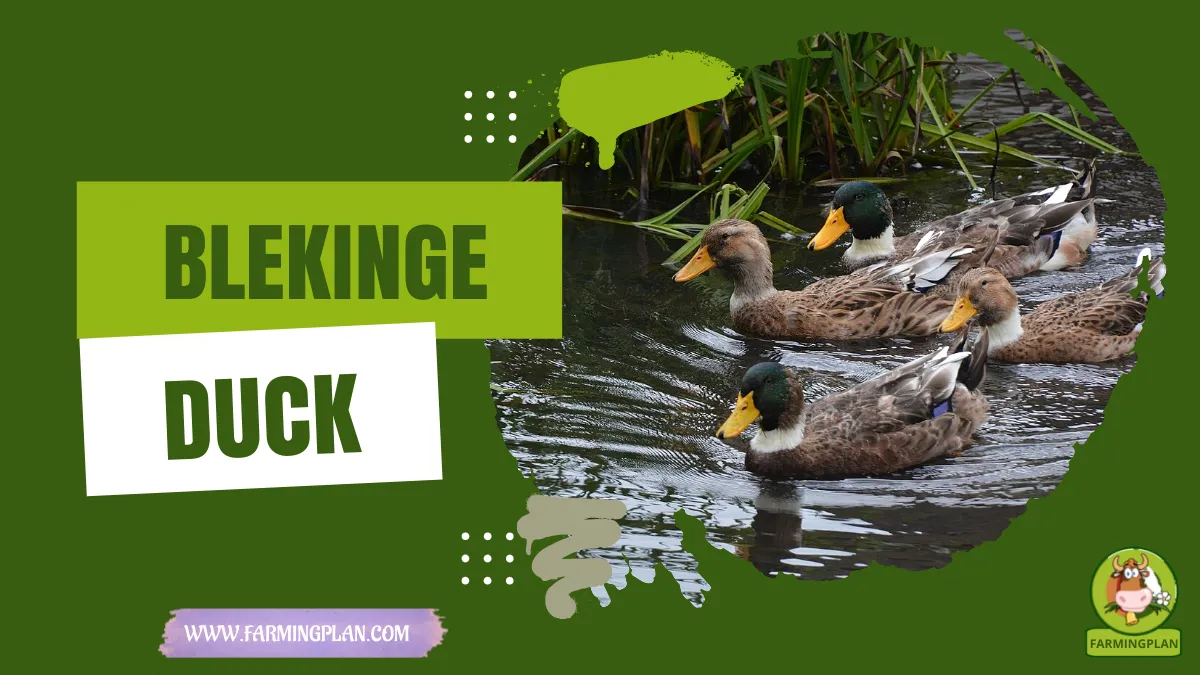
The Blekinge duck is one of the most remarkable domestic duck breeds you will ever encounter on a farm. I remember the first time I saw this incredible landrace duck splashing around in my pond. Its striking wild-type plumage, bright yellow beak, and active nature instantly won my heart. As a long-time poultry specialist, I love sharing how these hardy birds fit into any small homestead.
These ducks descend from local Swedish landrace stock and Mallards, making them natural foragers that thrive in northern climates. While people often search for a Blekinge duck for sale, finding pure stock requires patience because they are critically endangered birds. Today, I want to guide you through everything about this beautiful duck breed, from their rich history to their daily care needs.
History & Origin of Blekinge Duck
The story of the Blekinge duck begins in the scenic coastal regions of Sweden. Farmers in the Blekinge archipelago bred these sturdy birds for centuries to survive harsh Baltic Sea winters. They needed a duck that could forage for its own food along rocky shores while enduring freezing wind and rain. Historical records show that coastal fishing communities relied heavily on this Swedish duck for fresh eggs and nutrient-rich meat.
Unlike standardized birds like the Pekin, Blue Swedish duck, or Rouen, this breed developed through natural selection and local farming practices. In the late twentieth century, agricultural modernization almost wiped out these native breeds entirely. Researchers discovered a small remaining flock on Ungskär island in the Kingdom of Sweden during the 1980s. Conservationists realized these birds carried unique genetic variation and crucial alleles worth saving.
Today, international organizations like the Food and Agriculture Organization recognize the importance of preserving such genetic resources. Organizations work tirelessly alongside the Nordic Gene Bank to maintain a official genebank system for the breed. These dedicated conservation programmes protect the surviving population trend from genetic bottlenecks. When you raise these birds, you participate directly in keeping living history alive on your farm.
Read More: Bourbourg Duck: Ultimate Guide to Rare Heritage Birds
Characteristics of Blekinge Duck
When you look closely at a Blekinge duck, you will notice its medium-sized, compact body built for agility and survival. Drakes and ducks look quite similar to wild Mallard ducks (Anas platyrhynchos domesticus), but they carry distinctive features. Their plumage displays a gorgeous mix of wild-type brownish-gray tones that glisten under sunlight. Drakes feature subtle iridescence on their heads, while females showcase excellent camouflage coloring to protect their brood.
One key trait is their sturdy orange legs and webbed feet, perfect for swimming and walking over rough terrain. Their bills vary slightly, ranging from deep yellow to olive green tones. Unlike the large white Aylesbury or the slender Runner ducks, these birds balance weight and mobility effortlessly. You might also spot subtle white patches or a faint white bib on some individual birds.
| Characteristic | Blekinge Duck | Blue Swedish Duck | Call Ducks |
| Origin | Sweden (Blekinge Archipelago) | Pomerania / Sweden | Great Britain |
| Primary Use | Egg laying, Foraging, Conservation | Meat, Utility, Show | Pet, Ornament, Decoy |
| Body Size | Medium (2.0 – 2.5 kg) | Large (3.0 – 4.0 kg) | Small / Bantam (< 1 kg) |
| Egg Production | 80 – 100 eggs per year | 100 – 150 eggs per year | 50 – 100 eggs per year |
| Foraging Ability | Exceptional | Moderate | Fair |
Understanding these physical differences helps you appreciate their special lineage. They carry distinct traits separate from Cayuga, Saxony ducks, or Welsh Harlequin breeds. Their natural camouflage keeps them safe from aerial predators while they range freely across your pastures.
Nature & Temperament of Blekinge Duck
I love working with these birds because they possess an alert yet calm personality. They are energetic foragers that love spending their mornings exploring lush pastures and farm ponds. Compared to noisy Call ducks or skittish Black East Indies, they stay manageable and friendly when raised with care. They communicate with gentle quacks rather than constant loud shrieks, keeping your farm peaceful.
These birds show strong flocking instincts and stay together while exploring your pasture. If you keep other livestock like goats or chickens, these ducks adapt quickly without causing any fuss. They treat human keepers with friendly curiosity, especially when you bring out fresh treats like mealworms. Their calm demeanor makes them fantastic choices for homesteaders seeking low-stress animals.
Female ducks show wonderful mothering instincts if you allow them to sit on a clutch. They protect their nidifugous ducklings fiercely and teach them how to hunt bugs on day one. Drakes remain watchful guardians over their mates without showing excessive aggression toward humans. Their balance of independence and mild temperament makes them absolute joys to manage daily.
Food & Diet of Blekinge Duck
Feeding your flock the right diet ensures strong immunity, bright feathers, and healthy egg shells. These birds excel at finding natural food, but you must supplement their daily nutrition. I feed my flock a balanced commercial duck pellet formulated specifically for waterfowl species. Avoid feeding regular chicken mash because it lacks the niacin required for proper leg development.
- Fresh Greens: Chopped lettuce, kale, clover, and dandelion greens keep their digestive systems running smoothly.
- Protein Sources: Dried mealworms, earthworms, and feeder insects provide essential amino acids during molting season.
- Clean Grit: Insoluble grit helps their gizzard crush tough whole grains and forage effectively.
- Calcium Boost: Ground oyster shells ensure your Blekinge duck female produces thick, crack-resistant egg shells.
Clean water must remain available near their feed troughs at all times. Ducks must dip their heads underwater to clear their nostrils and lubricate their dry food swallows. Never offer dry pellets without an adjacent, fresh water source. Avoid harmful items like raw beans, green potatoes, moldy grains, or sweet sugary snacks. Human junk food disrupts their delicate gut flora and causes severe health problems like angel wing. Focus on clean grains, natural forage, and clean water to keep your birds in peak condition.
Primary Purpose of Blekinge Duck
Farmers historically raised this Swedish landrace duck as a multi-purpose bird for home self-sufficiency. Today, the main reason to keep them revolves around preserving endangered birds and maintaining agricultural biodiversity. By establishing a breeding flock, you help secure vital genetic resources for future farming generations. They belong on the Slow Food Ark of Taste register due to their heritage value.
While they do not lay continuously like Khaki Campbell ducks, they yield around 80 to 100 quality eggs yearly. Their eggs possess rich, creamy yolks that work amazingly well for baking homemade breads and pastries. They lay mostly during spring and early summer, aligning perfectly with natural breeding cycles.
These birds serve as phenomenal pest control agents across your orchard or garden beds. They spend hours searching for slugs, snails, Japanese beetles, and mosquito larvae in damp soil. Unlike heavy chickens, their webbed feet rarely tear up grass roots or destroy delicate plant beds. They clear orchard pests while leaving your soil enriched with natural, nitrogen-rich fertilizer.
Special Features of Blekinge Duck
The defining feature of this rare landrace is its incredible resilience against harsh weather conditions. Originating near the cold Baltic Sea, these birds handle freezing snow and icy wind effortlessly. Thick down feathers and rich preen oils keep their skin dry and warm during brutal storms. They rarely require heated coops, provided you keep their straw bedding clean and dry. Their foraging efficiency rivals any wild duck breed I have ever managed over my career.
They locate natural seed heads, aquatic roots, and buried bugs with minimum human intervention required. Their keen spatial awareness keeps them vigilant against common backyard predators like foxes and hawks. Their genetic purity represents a valuable asset for small-scale breeders interested in historic conservation. Unlike modern hybrid ducks bred for fast growth, these birds live long, productive lives. Their bodies remain strong and agile throughout their lifespan, free from metabolic leg issues.
Health Issues & Prevention of Blekinge Duck
These native birds possess tough immune systems, but proper care remains crucial for long-term health. Clean living conditions prevent common ailments from affecting your precious flock. You should watch for early signs of illness, such as lethargy, limp legs, or cloudy eyes. Early detection allows you to treat problems before they affect the whole coop.
Bumblefoot represents a common issue where bacteria enter small cuts on their webbed feet. Inspect their feet regularly for dark scabs or swollen areas that signal infection. Provide clean, dry straw bedding inside their housing to protect foot pads from rough, wet surfaces. Remove sharp rocks, thorn bushes, and stray wire pieces from their run area.
Wet feather occurs when duck feathers lose their waterproof layer due to dirty swimming water. Always provide clean water basins so birds can bathe, preen, and oil their plumage daily. Keep your coops well-ventilated to reduce excess humidity and prevent dangerous respiratory fungal infections. Maintain strict biosecurity by limiting wild bird contact near their grain feeders and water troughs. Internal parasites like roundworms can lower egg production and cause sudden weight loss in mature stock. Perform routine stool checks and apply natural worming treatments every spring and autumn season.
“Raising Rare Waterfowl Brings Absolute Joy To Your Backyard Farm Every Single Day.”
Step-by-Step Pet Owner Care Guide of Blekinge Duck
Starting your journey with heritage waterfowl requires proper planning, correct shelter, and daily commitment. I designed this simple guide to walk you through every critical phase of raising these rare birds successfully.
Step 1: Shelter Setup and Predator Protection
Your shelter must offer complete safety against night predators like raccoons, foxes, and neighborhood dogs. Build a dry, well-ventilated duck house using heavy wooden walls and solid hardware cloth mesh over vents. Allow at least four square feet of floor space per adult bird inside the shelter. Cover the floor with a clean, thick layer of pine shavings or dry wheat straw bedding.
Install sturdy latching doors that lock securely every evening before twilight arrives on your farm. Place feed and water buckets outside the house to prevent wet, messy bedding during overnight hours. Blekinge Ducks produce lots of moisture while sleeping, so high-level ventilation holes are crucial to clear dangerous ammonia fumes.
Step 2: Fencing and Outdoor Pasture Design
Design a spacious outdoor run providing a minimum of fifteen square feet of space per Blekinge Duck. Secure the boundary using six-foot-tall fencing buried six inches underground to stop digging predators like coyotes. Provide shaded areas using tarps, leafy trees, or low wooden shelters so birds avoid extreme afternoon heat.
Create rotational foraging zones if you have enough open ground across your farm pasture. Moving ducks to fresh grass every few weeks keeps pastures healthy and reduces manure buildup. Ducks love exploring tall grass, leaf piles, and damp soil patches where earthworms gather after spring rainstorms.
Step 3: Water Station Installation
Waterfowl need water deep enough to submerge their entire heads to keep nostrils and eyes clean. You do not need a fancy pond; a simple plastic child pool works amazingly well for swimming. Dump, scrub, and refill the pool daily to maintain clean water and prevent harmful bacteria growth.
Place heavy rubber buckets near feed trays for daily drinking needs throughout the morning hours. Position these water containers over gravel pads or wire ramps to catch splashing water droplets. This setup prevents muddy holes from forming around your feeding station and keeps the surrounding ground tidy.
Step 4: Brooding and Duckling Care
If you start with young ducklings, set up a warm brooder box using a clean plastic tub. Maintain a constant temperature of ninety degrees Fahrenheit during their first week using a safe heat lamp. Decrease the heat setting by five degrees each week until the young birds grow full adult feathers.
Use non-medicated chick starter or special waterfowl mash rich in essential niacin for proper bone growth. Place shallow water dishes filled with clean marbles inside the brooder so ducklings drink without drowning accidentally. Dip their beaks gently into clean water when they arrive to teach them where to drink instantly.
Step 5: Daily Feeding and Maintenance Schedule
Establish a daily routine to keep your flock healthy, happy, and producing rich eggs consistently. Open the coop every morning at sunrise, check each bird’s mobility, and offer fresh feed and water. Inspect the nesting boxes daily to harvest clean eggs before ducks soil or step on them.
Refill drinking stations with cool water during warm summer afternoons to avoid heat stroke issues. Clean out dirty bedding twice a week, replacing damp straw with fresh, fragrant wood shavings. Lock your flock securely inside their shelter every night as soon as dusk falls across your homestead.
Read More: Czech Crested Goose Secrets: Discover Essential Heritage Breed Care
Expert Tips & Best Practices of Blekinge Duck
- Provide Extra Niacin: Add nutritional yeast to commercial feed to prevent crippled legs in growing ducklings.
- Use Deep Straw Bedding: Clean straw traps air and insulates coop floors during cold winter months.
- Establish a Clean Bathing Routine: Clean swimming pools prevent wet feather disease and encourage preening habits.
- Integrate Flock Members Slowly: Introduce new ducks using a divider fence so older birds adjust without fighting.
- Offer Fresh Sand and Grit: Free-choice grit helps ducks grind tough forage effortlessly inside their gizzards.
- Secure Nesting Boxes on Floor Level: Place low nest boxes in dark corners where ducks feel safe laying eggs.
FAQs
What is a Blekinge duck?
The Blekinge duck is a rare Swedish landrace duck breed originating from the Blekinge archipelago. It is a hardy, medium-sized bird adapted to northern climates and excellent at foraging.
How many eggs does a Blekinge duck lay per year?
A female typically lays between 80 to 100 eggs per year, mostly during the spring and summer. Their eggs feature strong shells and rich, flavorful yolks ideal for baking.
What do Blekinge ducks eat?
They eat high-quality waterfowl pellets, fresh leafy greens, grains, and natural forage like insects, slugs, and worms. Always provide clean water alongside their daily feed for safe swallowing.
Is the Blekinge duck endangered?
Yes, this heritage breed is critically endangered with very few pure flocks remaining worldwide. Conservation programs and private breeders actively work to preserve its unique genetic line.
How do Blekinge ducks differ from Blue Swedish ducks?
Blekinge ducks display a wild-type brownish plumage similar to Mallards and have a lighter body frame. Blue Swedish ducks are larger utility birds with distinct slate-blue feathers and white chest bibs.
Conclusion
The Blekinge duck represents a living piece of agricultural history that offers resilience, personality, and utility for any farm. Raising these rare Swedish birds allows you to produce fresh eggs, control garden pests naturally, and protect endangered genetic resources. Their friendly nature and hardy constitution make them rewarding additions to any poultry setup. If you love heritage livestock, consider joining conservation efforts or sharing this knowledge with fellow breeders today. What heritage breeds are you planning to welcome onto your homestead this season? Drop a comment below, share this guide with your farming friends, and let us know your thoughts!