When I first walked through the green pastures of the Pyrenees mountains, I fell in love with the classic Basque pig. The Basque pig, also known as Euskal Txerri or Pie Noir du Pays Basque, represents one of the most remarkable heritage Basque pig breeds in all of Europe. Farmers in the French Basque Country and northern Spain almost lost this stunning animal to modern industrial farming.
Today, dedicated livestock advocates and local farmers have saved this traditional heritage hog from extinction. In this guide, I share my hands-on experience raising these beautiful animals using traditional farming methods. You will learn how to feed, manage, and care for this exceptional pig breed to produce world-class dry-cured ham and artisanal pork products. Let us dive into the fascinating world of this hardy, pasture-loving animal together!
History & Origin of Basque pig
The heritage of this pig stretches back hundreds of years in Celtic Europe. Ancestors of these animals roamed the Pyrenees mountains and the Kingdom of Navarre long before modern farming existed. Old artwork from the 13th century in the Hermitage of San Miguel de Aralar shows early depictions of these distinctive hogs. Historically, local communities across the French Basque Country, Aquitaine, and Navarra relied on these animals for basic survival during long winters.
The Battle Against Near Extinction
During the 20th century, modern industrial farming favored fast-growing white Basque pigs over traditional slow-growing local breeds. As a result, native strains like the Baztanesa and Chato Vitoriano vanished completely. By 1981, the French Ministry of Agriculture declared the Euskal Txerria pig critically endangered, with only twenty-five breeding animals left in existence.
I remember talking with veteran French Basque farmer Pierre Oteitza, who helped spearhead the dramatic rescue of these animals. Alongside dedicated veterinarians, local farmers, and researchers at INRA, he registered the breed in the official LIGERAL herd book. Through tireless effort, the team preserved vital genetic diversity. Organizations like the Slow Food Foundation for Biodiversity added the animal to the Ark of Taste to protect its cultural legacy. Today, Protected Designation of Origin (PDO) status for Kintoa ham protects both the farming heritage and the ecosystem of the Aldudes Valley.
Read More: Buff Duck Amazing Care Guide For Breeders
Characteristics of Basque pig
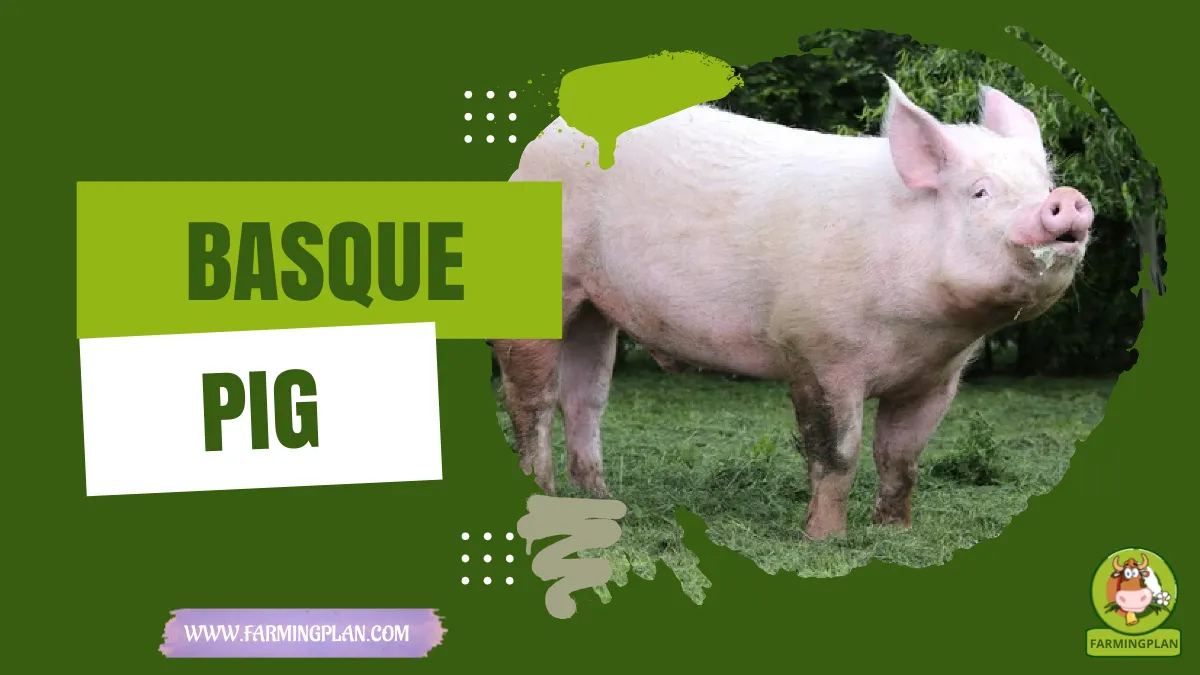
You can spot this large floppy eared breed instantly when walking through a pasture. The hog features a striking bi-color pattern with a white body and large black patches covering its head and rear end. Its most famous feature is its enormous, drooping ears that hang down over its eyes like a heavy hood.
| Characteristic Feature | Details & Description |
| Coat & Color | White body with distinct black patches on head and rump |
| Ear Structure | Extra-large, heavy, forward-flopping ears covering the face |
| Body Build | Sturdy bone structure with high natural back fat thickness |
| Growth Pattern | Slow maturation rate, reaching full size at 12–16 months |
| Maturity Weight | Sows: 140–180 kg (310–400 lbs) | Boars: 180–220 kg (400–485 lbs) |
Growth Pattern and Meat Quality Traits
Unlike modern white swine breeds built for rapid growth, these animals mature slowly over twelve to sixteen months. Sows usually weigh around 140 to 180 kilograms, while mature boars can exceed 200 kilograms. Their body composition features strong muscularity paired with a thick layer of natural back fat. This high fat content allows the meat to age slowly during traditional curing processes.
Nature/Temperament of Basque pig
I love working with these animals because they possess a calm, easygoing personality. Sows show gentle maternal traits, caring for their piglets with great patience inside well-ventilated shelters. Boars remain easy to handle when you provide clear routines and respectful boundaries. Their relaxed nature reduces stress levels, which directly improves meat quality traits.
Perfect Fit for Outdoor Farming
These hogs thrive in outdoor social herds rather than enclosed concrete pens. They love exploring open paddocks, foraging alongside herd mates, and taking long naps under oak trees. Because they maintain a docile demeanor, family farmers and homesteaders find them much safer to manage than aggressive industrial breeds.
Food & Diet of Basque pig
To produce famous Kintoa dry-cured ham, you must provide rich natural feeding resources. I raise my herd on wooded pastures where they feast on sweet acorns, bitter chestnuts, and fallen beech tree nuts. They spend hours digging through topsoil for succulent roots, wild tubers, and forest herbs.
Balancing Pasture Diet with Grains
During months when forest nuts are scarce, feed intake must include clean, local grains. I offer my herd ground barley, oats, and field peas mixed with non-GMO minerals. Never offer spoiled food, artificial preservatives, or high-protein soy concentrates. Clean water must remain available at all times, as proper hydration supports healthy digestion.
“Proper Pasture Care Transforms The Heritage Basque Pig Into Pure Culinary Gold.”
Usage/Purpose of Basque pig
Farmers do not raise this animal for standard supermarket pork chops. Instead, high-end chefs and traditional butchers prize the carcass traits of this breed for gourmet curing. The dense, deep-red meat features rich intramuscular marbling that melts at room temperature.
Preserving Traditional Cured Meat Culture
Master artisans use simple traditional ingredients like coarse sea salt and Piment d’Espelette to cure the meat naturally. Cured products like dry-cured ham mature in mountain air houses for eighteen to twenty-four months. The result is a savory delicacy with complex hazelnut flavors that rivals elite Spanish Iberian ham and Gascon pig products.
Special Features of Basque pig
One remarkable feature of this breed is its natural resistance to harsh weather conditions. Their thick skin, dark pigmentation, and dense hair coat protect them against sunburn in summer and freezing rain in winter. Their large floppy ears protect their eyes from sharp brush and thorn bushes while foraging through deep woods.
Preserving Biodiversity and Local Culture
Choosing to farm this autochthonous breed protects global agricultural biodiversity. Buying authentic products supports small family farms across rural communities in Aquitaine and the Pyrenees. By maintaining pure lines, farmers save ancient genetics while delivering exceptional flavor to modern consumers.
Health Issues & Prevention of Basque pig
While these hogs enjoy strong natural immunity, pasture-raised pigs still face health risks. External parasites like lice and mange mites can hide in wooden bedding materials. Internal worms easily spread when pigs graze on contaminated soil paddocks for long periods.
Simple Preventive Care Tips
Preventive care starts with smart paddock management. I practice regular pasture rotation to break parasite life cycles naturally. Clean, dry straw bedding inside open-faced wooden huts keeps respiratory illness away during cold rainy seasons. Work with a trusted veterinarian to set up vaccination schedules tailored to your region.
Step-by-Step Farming Guide of Basque pig
Setting up a successful heritage swine operation requires careful preparation, good infrastructure, and daily dedication. I spent years perfecting my pasture systems to balance animal welfare with high meat quality. Follow these four actionable steps to establish your own productive herd!
Step 1: Secure Robust Pasture Infrastructure & Shelter
First, prepare your pasture with strong perimeter fencing. I recommend using two strands of high-tensile electric wire set at pig height, paired with woven wire fencing. Build portable, well-ventilated wooden huts filled with fresh straw to give your animals shelter from harsh rain, driving wind, and hot sun. Create an outdoor wallow area where pigs can roll in clean clay mud to regulate their body temperature naturally during hot summer afternoons.
Step 2: Select Top-Quality Registered Breeding Stock
Buy your initial breeding stock from certified breeders who record their animals in official herd books. Inspect young boars and breeding sows for straight legs, strong hooves, long backs, and calm personalities. Verify that your stock comes from clean, disease-free herds with documented genetic lineage. Healthy foundation stock ensures strong litters and protects the future purity of this ancient breed.
Step 3: Implement A Rotational Foraging & Feeding Program
Divide your pasture land into four or more separate paddocks using temporary electric fencing. Move your pigs to fresh ground every three to four weeks to protect topsoil integrity and suppress parasite populations. Supplement seasonal acorns and pasture greens with a balanced mixture of ground barley, oats, and essential minerals every morning. Always provide clean drinking water through freeze-proof automatic drinkers.
Step 4: Manage Herd Health, Growth, and Processing Schedules
Monitor daily feed intake, growth rates, and overall body condition as your pigs mature over twelve to sixteen months. Schedule routine health checks with your veterinarian to stay ahead of internal parasites and seasonal swine illnesses. When your stock reaches proper finish weight with ideal back fat thickness, coordinate with an artisanal butchery facility skilled in processing high-fat heritage carcasses.
Read More: Cretan Honey Bee Guide for Farmers
Expert Tips & Best Practices of Basque pig
Here are my top practical recommendations for raising healthy, high-value heritage pigs:
- Practice Rotational Pasture Grazing: Move your animals regularly to protect pasture turf and prevent internal parasite buildup.
- Plant Nut-Bearing Trees: Plant oak, beech, and sweet chestnut trees along fence lines to provide free seasonal forage.
- Avoid Overcrowding: Give each mature pig at least 500 square meters of pasture space to allow natural foraging behavior.
- Use Deep Bedding: Layer clean wheat straw generously inside shelters to keep piglets warm and dry during damp winters.
- Partner with Local Artisans: Build strong relationships with local butchers who appreciate high-fat heritage meat cuts.
FAQs
What makes Basque pig meat so unique?
The meat features rich intramuscular fat, deep ruby color, and incredible tenderness. Foraging on wild acorns and chestnuts gives the pork a rich hazelnut flavor that chefs love.
How long does a Basque pig take to reach mature market weight?
Unlike standard commercial pigs that grow in six months, this heritage breed matures slowly over twelve to sixteen months. This slow growth allows the animal to develop dense muscularity and thick back fat naturally.
Is the Basque pig breed still endangered today?
While dedicated breeding programs saved the animal from extinction in the 1980s, it remains a rare heritage breed. Local breed associations and PDO guidelines strictly monitor population numbers to maintain genetic purity.
Can I raise Basque pigs in cold climates?
Yes, these hardy animals adjust well to cold weather if you provide dry shelters filled with deep straw. Their natural fat layers and dense skin protect them against cold winds and freezing rain.
What is Kintoa ham?
Kintoa ham is a certified PDO cured ham made exclusively from this specific heritage pig breed. Artisans cure the leg using sea salt and Piment d’Espelette before aging it naturally for up to twenty-four months.
Conclusion
Raising the Basque pig offers a rewarding way to preserve agricultural history while producing world-class artisanal pork. By providing open pastures, natural diets, and proper care, you support biodiversity and keep rural traditions alive. Whether you are a farmer expanding your herd or a foodie exploring rare heritage meats, this remarkable animal offers unmatched flavor and heritage value. Jump into the world of heritage swine farming today, share your experiences with fellow breeders, and help us preserve this magnificent breed for generations to come! Discover the classic Basque pig breed with my expert farming tips. Learn to raise this rare pig naturally and produce delicious heritage cured meats!