

⚡ Baja Tumbler Pigeon at a Glance: Key Specifications & Benchmarks
| Scientific Name | Columba livia domestica (Tumbler / Flying Group) |
| Hungarian Breed Name | Bajai bukó galamb |
| Breed Origin | Baja, Bács-Kiskun County, Southern Hungary |
| Average Mature Weight | 10.5 to 13.5 oz (300 to 380 grams) |
| Primary Purpose | Exhibition fancy breed, historical acrobatic flying tumbler |
| Head Ornamentation | Prominent shell crest running ear to ear across the occiput |
| Eye Coloration | Pearl white to bright iris with fine, flesh-colored ceres |
| Clutch Size & Incubation | 2 eggs incubated for 17 to 19 days by both parents |
Whether participating in competitive breed meets or observing gentle flock flights above the garden, the Baja Tumbler rewards fanciers with its steady demeanor and ease of management. Its ability to thrive in compact lofts makes it a favorite for suburban homesteaders seeking ornamental columbids. Structured culling and biosecurity protocols strengthen Baja Tumbler Pigeon genetic quality.
The Baja Tumbler pigeon, internationally known by its Hungarian name Bajai bukó, stands among the most treasured heritage columbid breeds in Central European aviculture. Originating along the Danube River basin in the historic town of Baja, this compact, vivacious pigeon was developed by dedicated fanciers in the nineteenth century. Breeders blended aesthetic refinement with energetic flight performance, creating a bird that thrives both in competitive exhibition cages and open lofts. Maintaining clean feeders and sanitized equipment supports sustainable Baja Tumbler Pigeon care.
Homesteaders and avian enthusiasts exploring our pigeon farming and aviary care guides will find the Baja Tumbler an exceptionally rewarding subject. It possesses a calm, trusting temperament toward human caretakers, making routine loft handling and flock observation an enjoyable daily ritual.
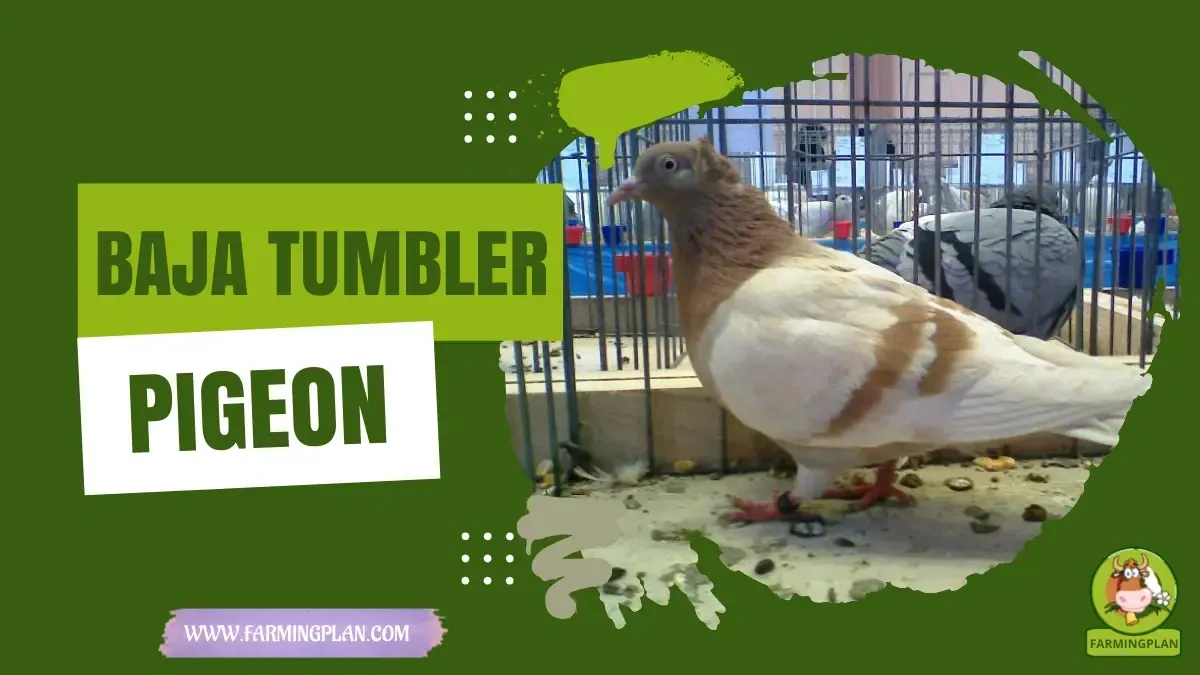
While early strains were prized for rapid backward somersaults during flock flight, modern breeding standards emphasize exquisite physical conformation. Its distinctive shell crest, clean leg feathering, and broad, muscular chest define one of the most elegant representatives of the European tumbler family. Consistent daily observation helps keepers spot early changes in Baja Tumbler Pigeon health and behavior.
Physical Characteristics & Breed Standards
The Baja Tumbler exhibits a compact, medium-small body structure that radiates vitality, muscle tone, and upright poise. The head is held proudly on a relatively short, muscular neck that tapers smoothly into broad, forward-projecting shoulders. Clean housing, fresh water, and balanced nutrition remain essential for Baja Tumbler Pigeon productivity.
The skull is moderately arched with a wide forehead, adorned at the rear by a sharp, upright shell crest that extends from ear to ear without breaks. The beak is medium-short, strong, and flesh-colored, fitted with fine, smooth white wattles.
Conformation Standards & Anatomical Structure
The eyes are brilliant pearl white, encircled by delicate, double-ringed eye ceres that range in color from pale flesh to light rosy pink depending on plumage shade. The breast is remarkably wide, well-rounded, and carried prominently forward, giving the bird an alert, confident stance. Tracking feed intake and body condition supports long-term Baja Tumbler Pigeon performance.
The back slopes downward in an unbroken line toward the tail, which is closely folded, medium in length, and carried slightly above the floor line. The wings are strong, resting neatly on top of the tail feathers without crossing at the tips. Following biosecurity best practices reduces disease risk in any Baja Tumbler Pigeon operation.
Size, Weight Benchmarks & Color Variations
Mature Baja Tumbler cocks and hens weigh between 10.5 and 13.5 oz (300 to 380 grams), with cocks displaying slightly greater cranial breadth and neck crest density. Despite their lightweight frame, their dense feathering and muscular pectorals give them a solid, substantial feel in the hand.
Plumage varieties include self colors (pure white, intense black, red, yellow, and blue with black bars) as well as striking pied and magpie patterns. Feathers must lie tight, smooth, and glossy against the body, with zero loose or fluffy plumage around the thighs. Seasonal adjustments to shelter and diet keep Baja Tumbler Pigeon thriving year-round.
⚡ Baja Tumbler Pigeon Performance & Production Matrix
| Trait Benchmark | Baja Tumbler Standard | Homing Pigeon Comparison | Loft Husbandry Value |
|---|---|---|---|
| Mature Body Weight | 10.5 – 13.5 oz | 16.0 – 20.0 oz | Lower grain consumption and compact perch space |
| Flight Style | Acrobatic tumbling / circling | Sustained straight homing speed | Entertaining aerial displays around homestead loft |
| Head Feature | Wide shell crest from ear to ear | Smooth plain head | High aesthetic appeal for exhibition competition |
| Clutch Frequency | 4 – 6 clutches annually | 5 – 7 clutches annually | Reliable parent-reared squab production |
| Temperament | Docile, gentle, loft-loyal | High-strung, independent | Safe and easy to handle for family fanciers |
Breed History, Heritage & North American Development
The development of the Baja Tumbler began in the mid-1800s in Baja, Hungary, a flourishing trading port along the Danube where various European and Balkan columbid breeds converged. Hungarian breeders selected local tumbler pigeons, crossing them with Viennese and Serbian acrobatic strains to enhance aerial agility. Proper record-keeping makes breeding and culling decisions easier for Baja Tumbler Pigeon keepers.
By the early 1900s, fanciers in southern Hungary established standardized breeding clubs, codifying the distinctive shell crest and compact body proportions. During the upheavals of World War I and World War II, dedicated aviculturists safeguarded pedigree bloodlines, preventing the breed’s extinction.
In recent decades, the Baja Tumbler has gained international acclaim through the European Association of Poultry, Pigeon, Bird and Rabbit Breeders (EE). American aviculturists have imported selective breeding pairs, establishing dedicated exhibition classes across national columbid meets. Providing adequate space and ventilation prevents common stress issues in Baja Tumbler Pigeon.
Housing, Shelter Dimensions & Winter Hardiness
A well-designed pigeon loft for Baja Tumblers must prioritize dry air, abundant sunlight, draft-free ventilation, and predator exclusion. Because tumbler pigeons spend substantial time on perches, proper indoor layout directly impacts plumage cleanliness and respiratory health. Understanding breed-specific traits helps maximize Baja Tumbler Pigeon longevity and output.
The loft structure should allocate a minimum of 3 to 4 square feet of floor space per breeding pair, with individual V-shaped perches spaced at least 12 inches apart to prevent territorial bickering. An attached outdoor wire flight aviary (sun aviary) allows birds to sunbathe and enjoy rain showers safely.
Spatial Density & Enclosure Engineering
Flooring can consist of dry wooden boards topped with coarse kiln-dried pine shavings or elevated plastic slatted grids that allow droppings to fall through to removable cleaning trays below. Ensure wire mesh on aviaries utilizes 1/2-inch galvanized hardware cloth to exclude rodents and weasels. Producers planning a diversified homestead operation often cross-reference our Baku Boinije Pigeon breed and care guide. Routine preventive care saves time and lowers veterinary costs for Baja Tumbler Pigeon.
Ventilation openings positioned along the roof ridge and low on the front wall create a natural chimney draft, expelling humid ammonia fumes without generating floor-level drafts that chill young squabs during spring brooding.
Nutritional Requirements, Daily Rations & Feeding Protocols
Baja Tumbler pigeons require a balanced grain and legume mixture formulated specifically for small-beaked fancy columbids. Feeding inappropriate, large-seeded grain blends can lead to nutritional deficiencies and choking. Matching forage or ration quality to life stage optimizes Baja Tumbler Pigeon growth.
Reviewing general columbid nutrition within our Roller pigeon flight and loft care guide highlights how seed size and protein content influence feather sheen and muscle stamina. High-quality red pigeon grit is mandatory for mechanical gizzard digestion. Gradual dietary transitions protect digestive stability in Baja Tumbler Pigeon.
Crude Protein Benchmarks Across Life Stages
During the resting and molting seasons, provide a maintenance ration delivering 13% to 14% crude protein (CP), composed of cleaned red and white milo, Canadian field peas, cracked flint corn, safflower, and white proso millet. During the active breeding season, increase protein to 16% to 18% CP by adding Austrian winter peas and vetch.
Supply clean, unchlorinated drinking water daily in enclosed siphon fountains that prevent droppings from contaminating the water supply. Supplementing with avian multi-vitamins and electrolytes once weekly supports feather regeneration during the autumn molt. Selecting healthy foundation stock is the cornerstone of successful Baja Tumbler Pigeon management.
Health Management, Common Diseases & Biosecurity Standards
Baja Tumblers are robust birds when kept in dry conditions, but enclosed lofts present common columbid health risks including canker (trichomoniasis), coccidiosis, and pigeon pox. Good predator-proofing and dry bedding safeguard Baja Tumbler Pigeon comfort in harsh weather.
Flock managers should maintain biosecurity protocols consistent with the USDA Animal and Plant Health Inspection Service (APHIS) Defend the Flock program to prevent wild bird contamination and viral transmission.
Biosecurity Protocols & Veterinary Defenses
Vaccinate all young stock at 4 to 6 weeks of age against paramyxovirus-1 (PMV-1) with an approved subcutaneous columbid vaccine, followed by an annual booster for breeding adults. Perform routine microscopic crop swab checks to monitor flagellate protozoa before the breeding season. Monitoring water quality and mineral balance directly benefits Baja Tumbler Pigeon vitality.
Maintain dry loft litter, as dampness triggers oocyst sporulation leading to severe coccidial diarrhea. Provide shallow bathing pans containing fresh water and a pinch of Epsom salt twice weekly, removing the bathwater after two hours to prevent the birds from drinking fouled water. Practical hands-on husbandry ensures consistent results when raising Baja Tumbler Pigeon.
Breeding Management, Nest Box Setup & Squab Rearing
Baja Tumblers form devoted, monogamous mating pairs that work harmoniously to construct nests and brood their young. Equip breeding lofts with double nest boxes measuring 24 inches wide by 14 inches deep, allowing the hen to lay a secondary clutch while the cock feeds weaning squabs.
Provide tobacco stems, pine needles, or clean straw for nesting material inside ceramic or heavy plastic nest bowls. Both parents take turns incubating the standard two-egg clutch, with cocks brooding during midday and hens sitting overnight for 17 to 19 days. Early intervention at the first sign of lethargy protects overall Baja Tumbler Pigeon flock or herd health.
Squabs hatch naked and helpless, nourished exclusively on crop milk secreted by both parents for the first 5 days before transitioning to regurgitated grain mash. Wean young birds at 28 to 32 days into a separate nursery loft, similar to setups described for Archangel pigeon breeding lofts. Structured culling and biosecurity protocols strengthen Baja Tumbler Pigeon genetic quality.
US Ownership Budget & Annual Maintenance Costs
Establishing an exhibition-quality Baja Tumbler loft involves modest startup costs compared to large livestock, making it accessible for homesteaders. Below is an itemized annual budget in US dollars.
💰 Estimated Annual Budget & Maintenance Costs (USD)
| Budget Category | Item Description & Scope | Initial Capital Outlay | Annual Recurring Expense |
|---|---|---|---|
| Pedigreed Breeding Pair | Exhibition-standard cock and hen from verified lines | $120 – $250 | One-time initial purchase |
| Pigeon Grain Mix & Seed | 50-lb premium small-grain mix per pair annually | $35 – $50 | $70 – $100 per pair |
| Insoluble Mineral Grit & Calcium | Red mineral grit, pick stones, and oyster shell | $15 – $25 | $20 – $35 per year |
| Preventive Vaccines & Canker Care | PMV-1 vaccine, canker treatments, and electrolytes | $25 – $40 | $30 – $50 annually |
| Nest Bowls & Loft Accessories | Nesting inserts, drinkers, and perches | $50 – $100 | $20 – $40 replacement cost |
🕊️ Baja Tumbler Pigeon Loft & Grain Mix Calculator
Estimate daily grain ration (lbs), mineral grit, monthly 50-lb feed bags, and minimum indoor loft and outdoor aviary space (sq ft) for your Baja Tumbler Pigeon loft.
Frequently Asked Questions (FAQ)
Does the Baja Tumbler pigeon really tumble in flight?
Historically, Baja Tumblers performed rapid aerial somersaults in flock flight. While modern strains are primarily bred for exhibition conformation, many lines still exhibit spirited tumbling maneuvers.
What is the defining feature of the Baja Tumbler?
The breed’s defining feature is a wide, dense shell crest running unbroken from ear to ear across the back of the head, paired with pearl white eyes and compact conformation.
How much space does a pair of Baja Tumblers need?
A breeding pair needs 3 to 4 square feet of indoor loft floor space plus access to an outdoor flight aviary, along with a dedicated double-compartment nest box for brooding.
What should I feed Baja Tumbler pigeons?
Feed a high-quality small-grain blend containing red milo, field peas, safflower, millet, and vetch (14% to 16% protein), accompanied by clean water and insoluble mineral grit.
Are Baja Tumblers suitable for beginner pigeon keepers?
Yes, Baja Tumblers are hardy, calm, and manageable, making them an excellent choice for novice fanciers interested in fancy exhibition breeding or relaxed aviary keeping.
Expert Verdict & Next Steps for Columbid Fanciers
The Baja Tumbler represents an outstanding blend of historical European craftsmanship, compact physical beauty, and quiet, manageable temperament. Whether your goal is entering competitive show rings or enjoying aerial activity above your farm, this Hungarian breed delivers immense satisfaction. Maintaining clean feeders and sanitized equipment supports sustainable Baja Tumbler Pigeon care.
To begin, source healthy, vaccinated breeding stock from reputable members of the National Pigeon Association. Comparing loft structures with classic exhibition birds like the Fantail pigeon care and housing guide will help you create a secure, predator-proof aviary system.
📚Agricultural Reference & Scientific Citations
Standards and physiological data referenced in this guide comply with American Poultry Association (APA), The Livestock Conservancy, and USDA APHIS Avian Biosecurity Standards.


