

⚡ Ancon Sheep at a Glance: Key Historical Specifications
| Scientific Classification | Ovis aries (Historical Achondroplastic Dwarf Ovine) |
| Historical Origin | United States (Dover, Massachusetts; discovered by Seth Wight in 1791) |
| Distinguishing Trait | Achondroplasia resulting in short, crooked legs and elongated body frame |
| Mature Weight Benchmark | 110 to 145 lbs (50 to 65 kg) compact pasture-foraging ovine |
| Primary Farm Benefit | Inability to jump standard stone walls and wooden split-rail fences |
| Fleece & Wool Profile | Medium-grade wool suitable for hand-spinning and domestic textiles |
| Extinction & Science | Extinct globally; historic scientific model for Charles Darwin’s genetic theories |
| Modern Historical Status | Famous landmark in veterinary genetics and evolutionary biology literature |
The Ancon sheep holds a legendary place in the annals of American agricultural history and evolutionary science. First discovered in 1791 on a farm in Dover, Massachusetts, by Seth Wight, the breed arose from a spontaneous genetic mutation that produced a ram lamb with remarkably short, bent legs and a long back. For farmers exploring our homestead livestock guides, the Ancon sheep offers a fascinating lesson in selective breeding and pasture management.
In eighteenth-century New England, where stone fences were low and labor was scarce, farmers eagerly embraced the short-legged sheep because they were physically incapable of jumping enclosures into neighboring crop fields. When managed alongside traditional livestock like homestead sheep flocks or small cattle herds like dairy herds, the Ancon demonstrated docile grazing behavior while thriving on standard farm utility equipment.
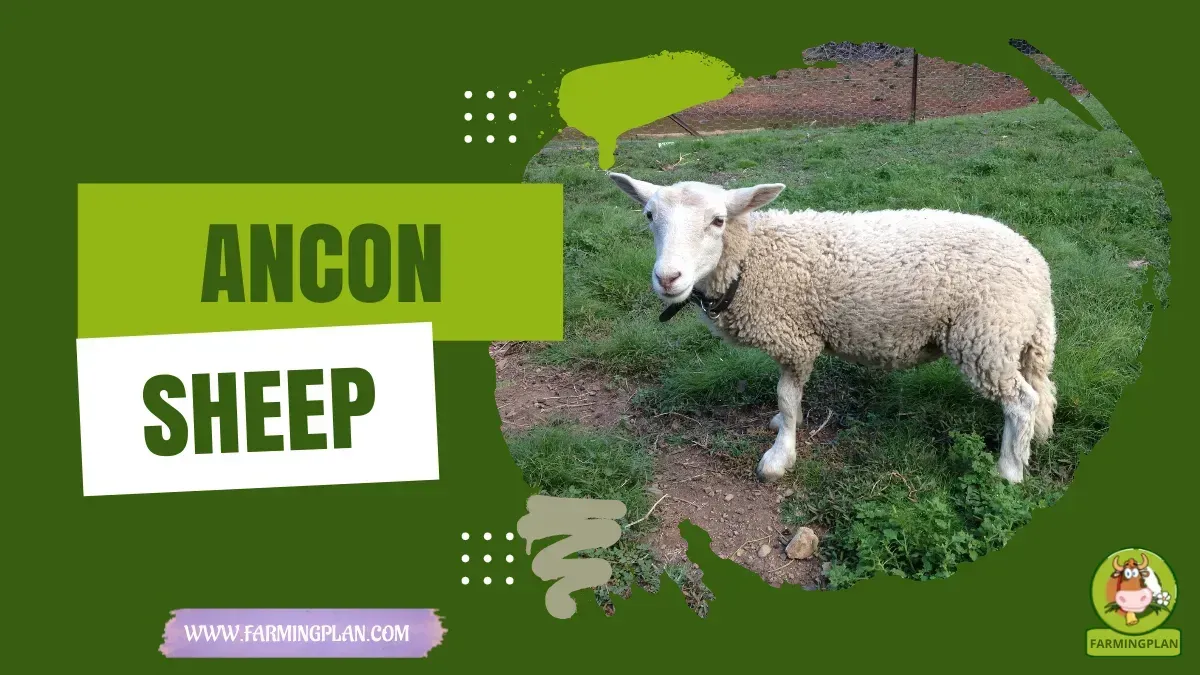
History & Origin of Ancon Sheep
The Ancon Sheep made its surprising debut in Massachusetts around 1791, born as a mutation in an ordinary flock of Leicester sheep. The word “Ancon” comes from the Spanish word for “elbow,” referencing their bent or bowed legs. This rare genetic condition, known as achondroplasia, causes shortened limbs due to slow skeletal growth.
Shepherds at the time found this breed especially useful. Why? Because they couldn’t jump fences. These short-legged sheep stayed put, making flock control easier for early American farmers. Their importance didn’t end at the pasture. The Ancon Sheep caught the attention of scientists and became a key example in the history of biology. Before Darwin’s theories took off, these sheep were used to argue how traits might suddenly appear in species—what we now call “evolutionary jumps.”
Sadly, by the late 19th century, the Ancon Sheep was considered extinct, though a few reports of similar traits have popped up since. Institutions like Oxford University Press and the Natural History Museum still reference the Ancon Sheep in genetic studies.
Characteristics of Ancon Sheep
The most defining feature of the Ancon Sheep is its short, stubby legs. This isn’t just a cute trait—it’s the result of a genetic mutation affecting skeletal growth. Their legs appear bent or bowed, a condition seen in other animals with achondroplasia, like dachshunds.
Ancon Sheep resembled the Leicester breed in other ways: they had white fleece, a medium-sized body, and wool well-suited for various climates. They were typically kept in grade flocks for both their fleece and their ease of management. Because of their prominent trait of dwarfism, they couldn’t mix well with ordinary sheep, which made their breeding a little tricky. Most often, they gave birth to a single lamb, and there were even cases of black lambs popping up from time to time, adding another twist to their already fascinating gene pool.
Nature & Temperament of Ancon Sheep
In my experience, the temperament of Ancon Sheep is quite docile. They’re calm, easy to manage, and don’t show signs of skittish behavior like some high-strung breeds. Their short legs also limit their mobility, which means they aren’t prone to bolting or straying far.
This makes them great for small pasture systems or hobby farms. Ancon Sheep get along well with other animals and are gentle around people. Because they were often part of study flocks, they became accustomed to human interaction early on. If you’re looking for a breed that’s low-stress and simple to keep in enclosed spaces, the Ancon Sheep fits that role perfectly. Their calm nature also made them excellent subjects for morphological study and cultural history research.
Food & Diet
Feeding Ancon Sheep isn’t much different from feeding any other domestic sheep. They thrive on pasture grazing and hay, especially if you have nutrient-rich grasses available. Because of their slower limb growth and unique build, they benefit from a balanced diet that supports bone and joint health. Producers planning a diversified homestead operation often cross-reference our Armenian Semicoarsewool Sheep breed and care guide.
Here’s my typical feeding setup:
- Morning: Fresh water, hay mix
- Midday: Light pasture grazing (depending on climate)
- Evening: Grain mix with added calcium and phosphorus
Avoid feeding them anything moldy or fermented—that can lead to digestive issues. Also, since they don’t roam as much as other breeds, they can put on weight quickly. Keep an eye on their diet to prevent obesity.
Usage & Purpose
Originally, Ancon Sheep were valued for two things: wool production and ease of management. Their fleece was similar to that of Leicester sheep, making it good for textiles. But their real fame came from their inability to jump fences. Farmers found this especially desirable—it made pasture rotation and fencing much easier.
Later on, scientists took an interest in the breed, and it became a popular subject in biological research and evolutionary studies. Nowadays, Ancon Sheep aren’t raised commercially. But you may still find interest in similar dwarf sheep strains, especially among breeders interested in genetics, evolutionary biology, or the history of domesticated animals.
Special Features
The defining feature of this breed was its unique genetic blueprint, caused by a single recessive mutation. This structural anomaly created several distinct characteristics rarely seen in standard farm stock. The Ancon Sheep’s most unique feature is its natural achondroplasia. This gives them that distinctive short-legged look, something not commonly seen in livestock.
A few more rare traits:
- Cannot Jump Fences: Ideal for tight spaces
- Naturally Occurring Mutation: No human intervention
- Cultural Icon: Used in early studies of natural selection
- Morphological Curiosity: A hit in archaeological studies involving sheep bones and historical breeds
There are even some dwarfism traits in Merino sheep and hair sheep today that echo back to what we saw in the Ancon. These special traits made the breed famous worldwide among naturalists and animal scientists. Their genetic profile proved that a single sudden mutation could establish an entirely new functional farm population through targeted selection.
Health Issues & Prevention
Raising animals with dwarfism traits comes with significant health challenges that every breeder must understand. Their short, bent limbs carry body weight unevenly, placing stress on internal joints and cartilage. Preventive care requires maintaining flat, rock-free grazing pastures to protect vulnerable joints. I always recommend keeping bedding deep and soft inside sheep shelters to cushion their legs during rest.
Due to their dwarf build, Ancon Sheep are prone to a few specific health issues:
- Joint stress due to weight on short limbs
- Hoof overgrowth, especially in soft pastures
- Limited mobility, which can lead to obesity
Preventing these problems is all about routine care. Trim their hooves monthly, check for signs of limping or sore joints, and keep their living area clean and dry. Always consult a vet familiar with sheep conditions and genetic traits. Parasite control is important too. Since they graze low to the ground, they may pick up more parasites than taller breeds. Regular hoof trimming every four to six weeks prevents painful foot rot and postural imbalance. Managing body weight through strict forage-based diets prevents excess stress on fragile limb joints.
Step-By-Step Farming Guide
Raising Ancon Sheep is one of the most rewarding things I’ve done on my farm. They’re manageable, unique, and full of character. But because of their body structure and history, they do need specialized care. Managing low-slung livestock requires tailored setup, daily observation, and dedicated care practices to keep the herd comfortable and healthy.
Step 1: Set Up A Secure, Flat Enclosure
Short-legged sheep don’t climb hills or hop fences. Choose a flat area and install fencing 3 ft high—no need to go higher.
- Add shelter with proper ventilation.
- Keep dry bedding, especially during the rainy season.
Step 2: Choose Healthy Stock From Reputable Sources
Since original Ancon Sheep are extinct, look for breeders of dwarf sheep with similar traits. Always ask for health records.
- Inspect joints and hooves.
- Avoid any sheep showing lameness or deformity beyond typical dwarfism.
Step 3: Feed A Balanced, Mobility-Supportive Diet
Stick with hay, pasture, and mineral-rich grain supplements.
- Limit sugars and starches to avoid weight gain.
- Provide clean water at all times.
Step 4: Monitor Health With Monthly Checks
You must be proactive.
- Trim hooves every 4 weeks.
- Watch for swollen joints or signs of limping.
- Maintain parasite control through rotation and deworming.
Step 5: Socialize And Observe Daily
These sheep enjoy company. Spend time with them daily.
- Check their movement and eating habits.
- Keep logs of any odd behavior.
Expert Tips & Best Practices For Success
Here are some personal tips I’ve picked up along the way:
- Avoid muddy pastures; short legs mean they get stuck easier.
- Use flat feeders, not raised ones—they’ll struggle to reach.
- Never let them get bored—offer toys or mix in friendly goats.
- Schedule quarterly vet checks even if they look healthy.
Tip: Always Watch Their Walk—Limping Means It’s Time For A Trim Or Vet Visit.
From an evolutionary perspective, the Ancon sheep provided nineteenth-century naturalists with direct tangible evidence of saltatory genetic variation. Charles Darwin referenced the breed prominently in ‘On the Origin of Species’ and ‘The Variation of Animals and Plants under Domestication’ to illustrate how dramatic inherited physical changes could appear instantaneously rather than accumulating solely through minute gradual stages.
However, the achondroplastic mutation also carried significant physiological liabilities. Because of their bowed limb joints and reduced shock absorption, Ancon sheep suffered from premature joint degeneration, reduced mobility on steep terrain, and increased vulnerability to ground predators when pastured in open timberland without intensive human guarding.
🐑 Ancon Sheep Flock Forage & Pasture Calculator
Calculate winter hay bales, daily pasture forage intake, minerals, and water needs for your Ancon Sheep flock.
Frequently Asked Questions (FAQ)
What caused the short legs of the Ancon sheep?
The short, crooked legs of the Ancon sheep were caused by a recessive genetic mutation known as achondroplasia, which impairs normal cartilage growth and causes shortened long bones in the limbs.
Why did New England farmers prefer Ancon sheep?
Early American farmers prized Ancon sheep because their short stature and heavy bodies prevented them from leaping over low stone walls and rail fences, keeping flocks contained without expensive fencing upgrades.
When did the original Ancon sheep breed become extinct?
The original Massachusetts Ancon breed went extinct in the early nineteenth century after the introduction of fine-wool Spanish Merino sheep, which offered vastly superior wool yields and economic returns.
Did an Ancon sheep mutation ever appear again?
Yes, an independent mutation producing identical short-legged sheep occurred in Norway in 1919 and later in Texas, allowing geneticists to study the inheritance pattern under controlled laboratory conditions.
Why did Charles Darwin write about the Ancon sheep?
Charles Darwin studied the Ancon sheep as a prime historical example of artificial selection and sudden genetic variation, demonstrating how humans could establish an entirely distinct domestic breed in a single generation.
Strategic Takeaways & Breed Benchmarks
The Ancon Sheep might be gone, but its story lives on through science, breeding, and farm life history. With its distinct appearance and surprising role in evolutionary biology, it proves how a single trait can change everything. Caring for dwarf sheep breeds today lets us experience a bit of that history firsthand. Whether you’re raising them for curiosity, wool, or companionship, these unique animals are worth every minute of care. Got a patch of pasture and a heart for oddballs? Then maybe an Ancon-style sheep belongs in your flock. Let’s keep this legacy alive—one short-legged lamb at a time!
The story of the Ancon sheep underscores the profound influence of selective breeding on agricultural ecology. For modern flock masters, pairing genetic conservation with best practices from our comprehensive sheep farming guide ensures both animal welfare and pasture security on sustainable homesteads.
📚Agricultural Reference & Scientific Citations
Standards and physiological data referenced in this guide comply with USDA APHIS Small Ruminant Health, The Livestock Conservancy, and the American Veterinary Medical Association (AVMA).


