

📊 American Milking Devon Cattle at a Glance: Key Specifications & Production Benchmarks
| Breed Classification | Heritage Triple-Purpose Cattle (Dairy, Beef, Draft Oxen) |
| Historic North American Origin | Imported 1624 aboard the ship Charity to Plymouth Colony |
| Mature Bull Body Weight | 1,400 to 1,800 lbs (635 to 815 kg) |
| Mature Cow Body Weight | 950 to 1,200 lbs (430 to 545 kg) |
| Signature Coat Color | Solid rich ruby-red to deep mahogany with creamy muzzle ring |
| Horn Conformation | Cream-white horns curving outward and up with polished black tips |
| Annual Milk Yield | 2,500 to 5,000 lbs per lactation (4.0% to 5.0% butterfat) |
| Beta-Casein Milk Profile | Predominantly A2/A2 protein genetics with small fat globules |
| Draft Working Performance | Premier American working draft oxen; nimble, intelligent, hardy |
| Conservation Watch Status | Critical / Heritage Priority List (The Livestock Conservancy) |
The American Milking Devon Cattle breed is one of the most historically significant, genetically pure heritage bovine populations on the North American continent. Celebrated as the ultimate triple-purpose animalproviding rich, butterfat-dense milk for family dairies, marbled grass-finished beef, and incomparable draft pulling power as working oxenthis striking ruby-red breed helped settle the American frontier. Tracking feed intake and body condition supports long-term American Milking Devon Cattle performance.
Whether you are establishing a low-input family homestead or expanding pastured cattle operations through our cattle farming management portal, the American Milking Devon delivers unmatched forage efficiency. Unlike high-input modern dairy breeds that require concentrated grain to sustain lactation, Milking Devons thrive entirely on pasture grasses, clover, and seasonal hay. Following biosecurity best practices reduces disease risk in any American Milking Devon Cattle operation.
Their calm docility, maternal longevity, and hard black hooves make them an ideal centerpiece for regenerative multi-species farming. In this authoritative technical guide, we examine breed conformation, rotational pasture management, dairy yields, oxen training, and herd preventative health.
Physical Characteristics & Breed Standards
The American Milking Devon cow displays a medium-framed, athletic, and harmonious dual-purpose conformation that avoids the extreme bony sharpness of modern dairy breeds and the short, blocky mass of feedlot beef cattle. Producers planning a diversified homestead operation often cross-reference our Asturian Valley Cattle breed and care guide. Seasonal adjustments to shelter and diet keep American Milking Devon Cattle thriving year-round.
Their skeletal framework is robust and sound, featuring a deep sprung ribcage, level topline, broad rump, and strong, straight legs with hard black hooves.
Conformation Standards & Anatomical Structure
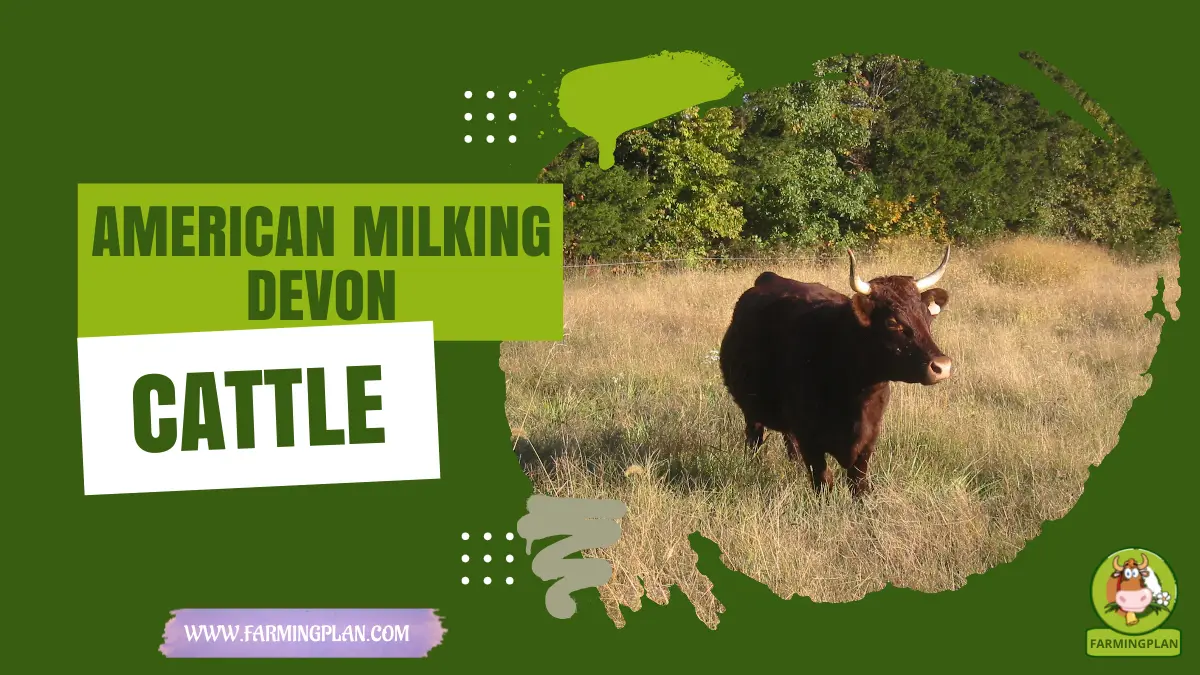
The head is lean and expressive, with a wide forehead, bright hazel eyes, and a broad dark muzzle encircled by a distinctive ring of creamy white hair. Both cows and bulls carry handsome horns that emerge creamy-white from the crown and terminate in smooth, jet-black points. Proper record-keeping makes breeding and culling decisions easier for American Milking Devon Cattle keepers.
In females, the horns curve gracefully outward, forward, and upward in a lyrical sweep. In bulls, horns are thicker and more horizontal. Providing adequate space and ventilation prevents common stress issues in American Milking Devon Cattle.
The muscular development of American Milking Devon cattle is balanced and functional, with strong shoulders, a level loin, and well-set tailhead. Their skin is moderately thick, pliable, and loose, providing natural protection against biting pasture flies and thorny brush during woodland grazing. Their legs exhibit sound angulation with clean, dry hocks that resist swelling and joint degeneration over decades of active grazing.
The coat is solid red, ranging from bright cherry ruby to dark mahogany. The hair is soft and sleek in summer, growing a thick, curly winter coat that insulates the animal against sub-zero blizzards. Understanding breed-specific traits helps maximize American Milking Devon Cattle longevity and output.
Size, Weight Benchmarks & Color Variations
Mature bulls weigh between 1,400 and 1,800 pounds, while mature cows weigh a functional, pasture-friendly 950 to 1,200 pounds.
Steers raised for grass-fed beef reach optimal market weight of 1,000 to 1,150 pounds within 24 to 28 months on forage alone. Routine preventive care saves time and lowers veterinary costs for American Milking Devon Cattle.
Udders are medium-sized, tightly attached, and carried well above the hock line, with four evenly spaced, functional teats designed for easy hand or machine milking. Matching forage or ration quality to life stage optimizes American Milking Devon Cattle growth.
📊 American Milking Devon Cattle Performance & Production Matrix
| Bovine Metric | American Milking Devon | Jersey Dairy Cow | Dexter Cattle |
|---|---|---|---|
| Utility Classification | Triple-Purpose (Dairy/Beef/Draft) | Specialized Dairy Breed | Dual-Purpose (Miniature) |
| Adult Cow Weight | 950 to 1,200 lbs (Medium Frame) | 800 to 1,000 lbs (Fine Bone) | 650 to 850 lbs (Small Frame) |
| Milk Butterfat Range | 4.0% to 5.0% (A2 Beta-Casein) | 4.8% to 5.5% (High Butterfat) | 4.0% to 4.5% (Standard) |
| 100% Grass-Fed Finishing | Exceptional on Pasture Alone | Poor (Requires Grain Rations) | Good on Quality Grass |
| Oxen Draft Capability | Premier National Draft Team Breed | Unsuited for Heavy Draft Work | Light Garden Draft Work |
Breed History, Heritage & North American Development
The documented history of the American Milking Devon begins in the spring of 1624, when Edward Winslow imported a Devon bull and three heifers to the Plymouth Colony aboard the ship Charity. Originating in Devonshire, England, these hardy ‘red rubies’ adapted immediately to the rocky, forested soils of New England, clearing land, plowing timber, and providing daily milk and meat.
While British breeders subsequently divided their ancestral stock into separate beef Devon and dairy Devon breeds, American homesteaders preserved the original, unspecialized triple-purpose genetics. During the nineteenth-century westward migration, Devon oxen pulled Conestoga wagons across the Oregon and Mormon trails because their hard hooves and steady endurance outlasted all other cattle. Gradual dietary transitions protect digestive stability in American Milking Devon Cattle.
In 1978, dedicated breeders organized the American Milking Devon Cattle Association to prevent crossbreeding with commercial stock. Today, the breed is recognized as a vital genetic heritage treasure by The Livestock Conservancy.
Housing, Shelter Dimensions & Winter Hardiness
Housing American Milking Devons requires simple, low-cost infrastructure thanks to their outstanding environmental hardiness and calm temperament. Selecting healthy foundation stock is the cornerstone of successful American Milking Devon Cattle management.
Spatial Density & Enclosure Engineering
Provide adult cattle with access to a dry, three-sided run-in shed oriented away from prevailing winter winds, allowing 75 to 100 square feet of shelter space per mature cow. Bed shelter floors deeply with clean straw or wood shavings during freezing winter weather to insulate resting cattle from frozen ground.
Pasture fencing should consist of durable high-tensile electric wire (a minimum of 2 to 3 strands for calm adults) or woven wire perimeter fencing measuring 48 inches high. Ensure clean, frost-proof water troughs are accessible year-round, as a lactating dairy cow requires 25 to 35 gallons of fresh water daily. Good predator-proofing and dry bedding safeguard American Milking Devon Cattle comfort in harsh weather.
Nutritional Requirements, Daily Rations & Feeding Protocols
The defining biological advantage of the American Milking Devon is its phenomenal forage conversion efficiency, thriving completely on pasture and hay without requiring expensive commercial grain rations. Monitoring water quality and mineral balance directly benefits American Milking Devon Cattle vitality.
Crude Protein Benchmarks Across Life Stages
During the active grazing season, manage cattle under intensive rotational grazing, moving the herd to fresh pasture paddocks every 2 to 4 days. Devons consume diverse forbs, clovers, timothy, orchardgrass, and even brushy browse that modern cattle reject.
In winter, supply high-quality grass-legume hay providing 12 to 14 percent crude protein. Supplement pasture diets with free-choice loose trace mineral salt containing selenium, copper, and zinc formulated specifically for pastured cattle. Practical hands-on husbandry ensures consistent results when raising American Milking Devon Cattle.
Avoid feeding heavy corn or starch-rich grain rations, which disrupt rumen microflora and cause unnecessary fat deposition in this naturally efficient heritage animal.
When managing pastured Devons on diverse multispecies swards, incorporate deep-rooted legumes like red clover, alfalfa, and birdsfoot trefoil alongside cool-season grasses. These legumes fix atmospheric nitrogen into the soil while providing high-protein, bypass nutrition that supports peak lactation and rapid calf development. Ensure loose mineral feeders are covered against rain to prevent caking and nutrient leaching. Early intervention at the first sign of lethargy protects overall American Milking Devon Cattle flock or herd health.
Health Management, Common Diseases & Biosecurity Standards
American Milking Devons are exceptionally robust cattle with natural immunity, strong black hooves, and low incidence of common dairy health disorders. Structured culling and biosecurity protocols strengthen American Milking Devon Cattle genetic quality.
Biosecurity Protocols & Veterinary Defenses
Due to their athletic conformation and sound hooves, foot rot and sole ulcers are rare when basic pasture sanitation is maintained. Trim hooves only as needed for older working oxen or breeding bulls.
Mastitis rates are remarkably low thanks to high, tightly attached udders and strong teat sphincters. Practice clean milking hygiene, dipping teats in an approved post-milking barrier antiseptic after every milking session. Maintaining clean feeders and sanitized equipment supports sustainable American Milking Devon Cattle care.
Vaccinate annually against reproductive and respiratory complexes, including BVD, IBR, and Clostridial diseases (7-way blackleg). Consult preventive herd health guidelines through Cornell Cooperative Extension Beef and Dairy Health Protocols.
Implement annual fecal parasite testing across both adult cows and young stock to monitor internal gastrointestinal nematodes and liver flukes. Rotational grazing across clean pastures provides the first line of defense against parasite exposure, minimizing reliance on chemical anthelmintic drenches. Provide access to natural shade trees or portable field shades during sweltering summer afternoons to prevent thermal distress and sustain daily milk production. Consistent daily observation helps keepers spot early changes in American Milking Devon Cattle health and behavior.
Calving Management, Maternal Care & Oxen Training
American Milking Devon cows possess wide, pelvic structures that make calving ease legendary. Dystocia is virtually non-existent; cows typically calve unassisted in open pasture, birthing lively, vigorous calves weighing 60 to 75 pounds that nurse within 30 minutes. Clean housing, fresh water, and balanced nutrition remain essential for American Milking Devon Cattle productivity.
Devon cows are fiercely attentive mothers that produce ample, rich colostrum and maintain reproductive fertility well past 15 to 18 years of age, outlasting commercial dairy cows by more than a decade.
For homesteaders interested in draft power, Devon bull calves can be castrated at 2 to 4 months and trained as working oxen. Through daily voice commands and gentle handling, matched Devon teams learn to navigate heavy yokes, clearing logs and hauling farm equipment with calm intelligence. Tracking feed intake and body condition supports long-term American Milking Devon Cattle performance.
US Ownership Budget & Annual Maintenance Costs
Investing in a registered American Milking Devon heifer or breeding pair represents a secure financial asset for regenerative homesteads, yielding profitable dairy, beef, and breeding stock returns.
💰 Estimated Annual Budget & Maintenance Costs (USD)
| Budget Category | Item Description & Scope | Initial Capital Outlay | Annual Recurring Expense |
|---|---|---|---|
| Breeding Heifer | Registered American Milking Devon bred heifer | $1,800 – $2,800 | $0 |
| Pasture Infrastructure | High-tensile electric fencing (2 acres), posts, and solar energizer | $600 – $950 | $60 – $100 |
| Winter Shelter & Hay | Three-sided run-in shed and 3 tons of quality round hay bales | $800 – $1,400 | $450 – $700 |
| Water & Mineral Gear | Frost-proof automatic stock tank, hoses, and loose mineral feeder | $220 – $380 | $50 – $90 |
| Veterinary & Breeding | Annual vaccines, herd blood tests, and AI or bull service fees | $120 – $200 | $150 – $250 |
🐄 American Milking Devon Cattle Daily Forage & Bale Calculator
Calculate daily dry matter forage, winter round bale consumption, pasture allocation, and water requirements for American Milking Devon Cattle cattle.
Frequently Asked Questions (FAQ)
What does triple-purpose cattle mean?
Triple-purpose means the breed excels at three distinct agricultural roles: high-butterfat dairy milk, tender grass-finished beef, and powerful draft oxen working capacity.
Can Milking Devon cows produce milk on grass alone without grain?
Yes, Milking Devons are celebrated for their forage efficiency. They maintain body condition and steady milk production on quality pasture and hay without requiring grain supplementation.
How much milk does an American Milking Devon cow produce daily?
A typical Devon cow produces 2 to 4 gallons (20 to 35 lbs) of milk daily during peak lactation, containing 4.0% to 5.0% butterfat and easily digestible A2 beta-casein proteins.
Are American Milking Devon cattle rare?
Yes, the breed is listed as a critical conservation priority by The Livestock Conservancy, making each active breeding herd an essential contributor to heritage genetic preservation.
Expert Verdict & Next Steps for Heritage Cattle Keepers
The American Milking Devon Cattle breed represents the gold standard of sustainable, low-input bovine husbandry for North American homesteaders. Their historic versatility, calm docility, grass-fed beef quality, and rich A2 dairy milk make them an invaluable investment for regenerative agriculture. Following biosecurity best practices reduces disease risk in any American Milking Devon Cattle operation.
By implementing rotational pasture grazing, simple winter shelter, and regular veterinary care, your Devon herd will reward your farm for decades. Explore our complementary heritage livestock guides featuring the hardy Awassi Sheep, nimble Badger Face Welsh Mountain Sheep, versatile Australian Miniature Goat, and pastured Cotton Patch Goose.
📚Agricultural Reference & Scientific Citations
Standards and physiological data referenced in this guide comply with USDA Animal and Plant Health Inspection Service (APHIS), American Veterinary Medical Association (AVMA), and the FAO Domestic Animal Diversity Information System.


