

📊 American Flying Tumbler Pigeon at a Glance: Key Specifications & Production Benchmarks
| Scientific Classification | Columba livia domestica (Columbidae Family) |
| NPA Breed Classification | Flying & Performing Tumbler Breed |
| Mature Body Weight | 10 to 13 oz (280 to 370 grams) |
| Wingspan & Flight Profile | 24 to 28 inches; rapid wingbeat with aerial backward rolls |
| Flight Duration Benchmark | 45 to 90 minutes of tight kit flying per sortie |
| Acrobatic Behavior | Repeated backward somersaults without losing kit formation |
| Primary Loft Purpose | Aerial performance, competition kit flying, exhibition showing |
| Loft Space Standard | 3 to 4 sq ft floor space per mated pair + flight aviary |
| Dietary Crude Protein Need | 14% to 16% balanced grain mix (peas, corn, safflower) |
| Life Expectancy & Breeding Span | 8 to 12 years with rigorous loft hygiene |
The American Flying Tumbler Pigeon stands among the most exhilarating aerial performers in the entire domestic columbid world. Revered by pigeon fanciers across North America, this compact, muscular bird combines tight synchronized flocking (kit flying) with breathtaking backward somersaults executed high above rural homestead lofts. Providing adequate space and ventilation prevents common stress issues in American Flying Tumbler Pigeon.
Whether you are building a competitive flying loft or expanding your aviary holdings through our comprehensive pigeons and aviary pillar cluster, Flying Tumblers offer dynamic daily entertainment. Unlike sedentary exhibition pigeons that have lost flight vitality, the American Flying Tumbler remains an athletic, high-spirited bird bred to conquer open skies. Understanding breed-specific traits helps maximize American Flying Tumbler Pigeon longevity and output.
Managing performance tumblers requires balancing flight conditioning, predator vigilance against raptors, grain protein ratios, and strict loft ventilation. In this comprehensive guide, we examine loft design, young bird kit training, nutrition, and biosecurity protocols necessary to maintain elite performing flyers. Routine preventive care saves time and lowers veterinary costs for American Flying Tumbler Pigeon.
Physical Characteristics & Breed Standards
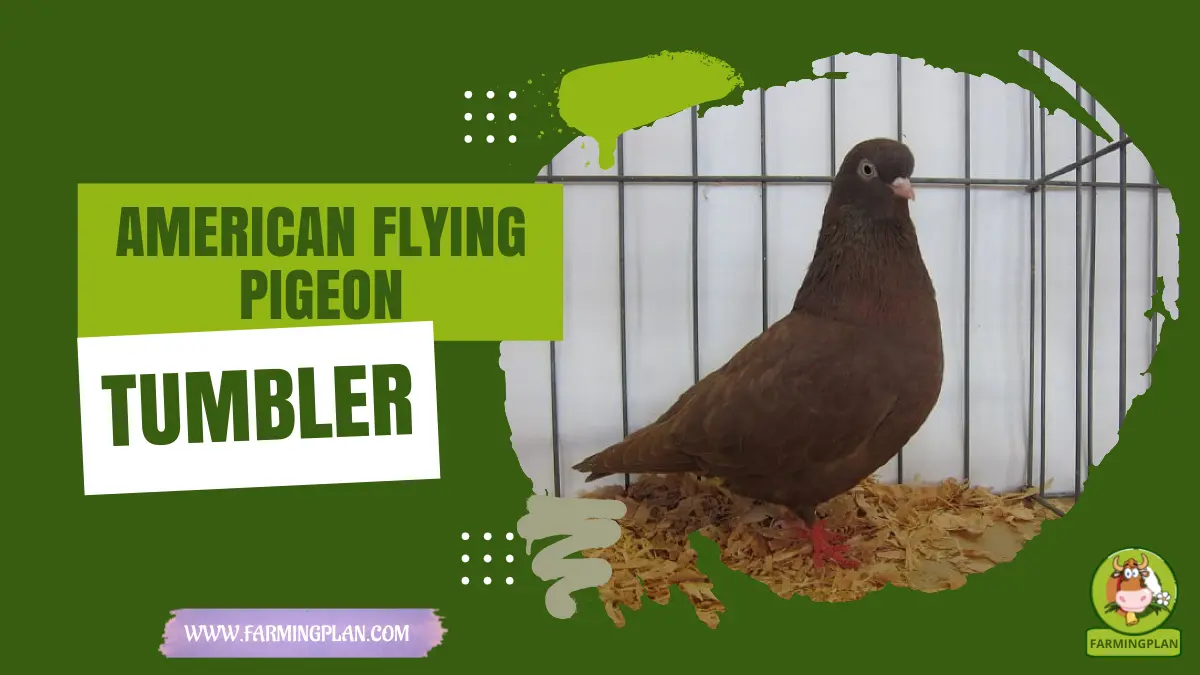
The American Flying Tumbler exhibits a wedge-shaped, compact body with a broad, deep chest that houses strong pectoral flying muscles. Their physical conformation is engineered for rapid elevation and instantaneous aerial tumbling maneuvers. Matching forage or ration quality to life stage optimizes American Flying Tumbler Pigeon growth.
Conformation Standards & Anatomical Structure
The head is round and well-arched, tapering smoothly to a straight, medium-length beak of pearl or horn coloration. Eyes are pearl-white, prominent, and framed by fine cere skin that indicates robust health and stamina. The neck is short and arched, blending seamlessly into broad shoulders.
Wings are strong, tightly tucked across the rump, and carried slightly above the tail feathers without drooping. Flight feathers are broad and overlapping, providing the aerodynamic lift necessary for sustained high-altitude sorties and rapid aerial rolls. Gradual dietary transitions protect digestive stability in American Flying Tumbler Pigeon.
The tail is compact and closely folded, consisting of twelve strong retrices that act as a sensitive rudder during sharp rotational maneuvers. The legs are clean, set moderately apart, and free of long foot feathering that could impede trapping. Selecting healthy foundation stock is the cornerstone of successful American Flying Tumbler Pigeon management.
Size, Weight Benchmarks & Color Variations
Mature cocks weigh between 11 and 13 ounces, while hens carry 10 to 12 ounces of conditioned muscle. Excess weight hampers flight endurance and causes clumsy tumbling falls. Good predator-proofing and dry bedding safeguard American Flying Tumbler Pigeon comfort in harsh weather.
Young birds reach full flight plumage by twelve weeks, displaying resilient feather shafts that withstand strong atmospheric wind shears. Proper mineral nutrition ensures quill strength and prevents feather breakage during high-speed dives.
The breed occurs in a dazzling spectrum of colors, including clean selfs (black, red, yellow, white), bar patterns (blue bar, mealy), checks, and striking baldhead markings where pure white heads contrast with colored bodies. Monitoring water quality and mineral balance directly benefits American Flying Tumbler Pigeon vitality.
📊 American Flying Tumbler Pigeon Performance & Production Matrix
| Columbid Metric | American Flying Tumbler | Racing Homer Pigeon | American Roller Pigeon |
|---|---|---|---|
| Flight Style | Synchronized kit with somersaults | Straight line homing speed | Deep spinning drops (rolls) |
| Average Sortie Altitude | High (800 to 1,500 feet) | Low to medium transit | Medium (200 to 500 feet) |
| Sortie Duration | 45 to 90 minutes | Several hours (Up to 500 miles) | 15 to 30 minutes |
| Primary Selection Focus | Aerial tumbling & kit cohesion | Navigation speed & endurance | Depth and speed of roll spin |
| Vulnerability to Hawks | High during tumble recovery | Low (Extreme straight speed) | Very High (Spinning vulnerability) |
Breed History, Heritage & North American Development
The American Flying Tumbler was developed in the United States during the late 19th and early 20th centuries. Immigrant pigeon fanciers from England, Germany, and the Netherlands brought foundation stocks of West of England Tumblers, German Tumblers, and Dutch Tumblers to burgeoning industrial cities. Producers planning a diversified homestead operation often cross-reference our American Cam Cropper Pigeon breed and care guide. Practical hands-on husbandry ensures consistent results when raising American Flying Tumbler Pigeon.
American breeders sought to refine a bird that retained the vigorous, sustained flight of English tumblers while executing cleaner, tighter backward somersaults without dropping out of the kit. Through rigorous selective culling, fanciers established a standardized American flyer capable of working in tight 10-to-20-bird kits. Early intervention at the first sign of lethargy protects overall American Flying Tumbler Pigeon flock or herd health.
Formally recognized by the National Pigeon Association, the American Flying Tumbler remains a cornerstone of performing pigeon culture across North America, preserved by dedicated breed clubs and rural loft keepers who value living aerial artistry.
Modern fanciers continue to host organized fly-offs where kit synchronicity, flight duration, and acrobat execution are scored by official judges. These exhibitions showcase the remarkable athletic discipline instilled through generations of careful columbid breeding. Structured culling and biosecurity protocols strengthen American Flying Tumbler Pigeon genetic quality.
Housing, Shelter Dimensions & Winter Hardiness
A well-constructed pigeon loft is the cornerstone of successful tumbler management. Lofts must provide bone-dry interior conditions, continuous airflow without drafts, and absolute protection against raccoons, rats, and birds of prey. Maintaining clean feeders and sanitized equipment supports sustainable American Flying Tumbler Pigeon care.
Spatial Density & Enclosure Engineering
Allocate a minimum of 3 to 4 square feet of floor space per breeding pair, with individual box perches spaced at least 12 inches apart to prevent territorial fighting. Separate the loft into two distinct compartments: one for breeding pairs and one for the active flying kit. Consistent daily observation helps keepers spot early changes in American Flying Tumbler Pigeon health and behavior.
Install a wire aviary (flight pen) using 1/2-inch galvanized hardware cloth to give birds fresh air and sunlight while keeping wild sparrows and mice from contaminating grain feeders. Provide an elevated trapping door (sputnik or bob wires) to train young birds to enter the loft immediately upon landing, preventing hawk predation on loft roofs. Clean housing, fresh water, and balanced nutrition remain essential for American Flying Tumbler Pigeon productivity.
Cover the loft floor with kiln-dried pine wood shavings or install elevated wire mesh grates over dropping trays to prevent birds from walking through damp manure. Good floor hygiene eliminates damp conditions that favor coccidiosis and internal roundworms.
Nutritional Requirements, Daily Rations & Feeding Protocols
Flying Tumblers require high-energy grain mixtures that fuel sustained flight without loading the digestive tract with indigestible bulk. Grain quality directly dictates flight endurance and feather elasticity. Tracking feed intake and body condition supports long-term American Flying Tumbler Pigeon performance.
Crude Protein Benchmarks Across Life Stages
Feed active flying kits a balanced commercial pigeon mix containing 14% to 16% crude protein, composed of Canadian field peas, flint corn, red milo, safflower seed, and hard red wheat. Avoid feeding high-fat seeds before morning flight exercises. Following biosecurity best practices reduces disease risk in any American Flying Tumbler Pigeon operation.
Adult birds consume approximately 1.0 to 1.2 ounces (30 to 35 grams) of grain daily. Always provide an insoluble mineral grit containing crushed oyster shell, charcoal, and red stone grit in dedicated cups so gizzards can grind whole grains, as outlined in our poultry and waterfowl dietary manuals. Seasonal adjustments to shelter and diet keep American Flying Tumbler Pigeon thriving year-round.
Health Management, Common Diseases & Biosecurity Standards
High stocking density and poor ventilation can trigger devastating respiratory and protozoal infections in columbid lofts. Maintaining strict hygiene and preventative medication ensures vigorous flight vitality.
Biosecurity Protocols & Veterinary Defenses
Key diseases affecting flying tumblers include Canker (Trichomoniasis), Coccidiosis, Pigeon Pox, and Paramyxovirus (PMV-1). Vaccinate all young birds against Paramyxovirus at 6 weeks of age with an annual booster. Scrape droppings from loft perches and floor grates weekly to eliminate oocyst reservoirs. Proper record-keeping makes breeding and culling decisions easier for American Flying Tumbler Pigeon keepers.
Provide weekly bathing pans filled with clean water supplemented with a tablespoon of apple cider vinegar or bath salts to maintain feather bloom and control external lice. For national avian health guidelines and quarantine protocols, refer to the USDA APHIS Avian Biosecurity Center and review housing blueprints in our aviary shelter designs. Providing adequate space and ventilation prevents common stress issues in American Flying Tumbler Pigeon.
Breeding Protocols, Squab Care & Kit Training
American Flying Tumblers mate for life and breed reliably from early spring through autumn. Provide each pair with a double nest box equipped with earthenware nest bowls and pine needles for nest building. Understanding breed-specific traits helps maximize American Flying Tumbler Pigeon longevity and output.
Hens lay two chalk-white eggs per clutch, with both parents sharing incubation duties for 17 to 19 days. Both sire and dam feed squabs ‘crop milk’ (crop secretions) for the first five days before introducing regurgitated softened grains. Squabs fledge and leave the nest bowl at 4 weeks of age.
Wean young tumblers into the young-bird flying compartment, conditioning them to enter through the trap door using a whistle or grain rattle. Begin kit training in small groups of 5 to 10 birds, flying them hungry once daily in early morning before feeding, comparing stamina with elite homing breeds like the Racing Homer pigeon. Routine preventive care saves time and lowers veterinary costs for American Flying Tumbler Pigeon.
US Ownership Budget & Annual Maintenance Costs
Establishing and maintaining an active flying tumbler loft requires initial woodwork investments for housing, acquisition of pedigree flying stock, and ongoing grain and mineral supplies. Matching forage or ration quality to life stage optimizes American Flying Tumbler Pigeon growth.
💰 Estimated Annual Budget & Maintenance Costs (USD)
| Budget Category | Item Description & Scope | Initial Capital Outlay | Annual Recurring Expense |
|---|---|---|---|
| Foundation Flying Trio/Pairs | Two pedigreed pairs of performing flying tumblers from proven kits | $160 – $300 | $0 (self-replenishing loft) |
| Backyard Pigeon Loft | Timber loft (6×8 ft) with aviary, trapping box & box perches | $600 – $1,200 | $40 – $75 (hardware repairs) |
| Feeders, Drinkers & Perches | Gravity grain hopper, vacuum waterer, grit cups, plastic bowls | $70 – $120 | $15 – $25 (replacements) |
| Pigeon Grain Rations | 50-lb bags of 16% protein pigeon grain mix (approx. 8 bags/year) | $35 (starter bag) | $240 – $320 |
| Mineral Grit & Supplements | Red mineral grit, pick stones, vitamins, apple cider vinegar | $25 | $40 – $60 |
| PMV-1 Vaccines & Wormers | Paramyxovirus vaccines, canker treatment, dewormer drops | $40 | $50 – $80 |
| Total Tumbler Loft Budget | Complete setup and annual recurring maintenance for 15-bird loft | $930 – $1,815 | $385 – $560 / year |
🕊️ American Flying Tumbler Pigeon Loft & Grain Mix Calculator
Estimate daily grain ration (lbs), mineral grit, monthly 50-lb feed bags, and minimum indoor loft and outdoor aviary space (sq ft) for your American Flying Tumbler Pigeon loft.
Frequently Asked Questions (FAQ)
Why do American Flying Tumbler pigeons somersault in mid-air?
Tumbler pigeons perform backward somersaults due to an instinctual neurological trait that causes brief muscular contractions during active flight, executing rapid aerial rolls without losing kit orientation.
How high do American Flying Tumblers fly?
A well-trained kit of American Flying Tumblers flies at altitudes ranging from 800 to 1,500 feet above the ground, maintaining tight formation for 45 to 90 minutes per flight.
How do you protect flying tumblers from Cooper’s hawks?
Fly your birds at varying times of day, avoid releasing them during peak midday raptor hunting hours, and train birds to enter the loft trap immediately upon landing using feed incentives.
What should I feed American Flying Tumbler pigeons?
Feed a balanced 14% to 16% protein pigeon mix containing Canadian field peas, corn, wheat, and safflower, complemented by insoluble red mineral grit and daily fresh water.
Can American Flying Tumbler pigeons find their way home like homing pigeons?
While they possess good loft orientation within a few miles of their home loft, Flying Tumblers lack the extraordinary long-distance navigation speed and stamina of true Racing Homers.
How many pigeons make up a good flying kit?
An ideal performing kit consists of 7 to 15 well-matched birds that fly smoothly in tight synchronized circles, tumbling in unison across open rural skies.
Expert Verdict & Next Steps for Columbid Fanciers
The American Flying Tumbler Pigeon offers homesteaders and aviary enthusiasts a mesmerizing window into classical columbid performance. Their compact size, manageable feed requirements, and aerial acrobatics bring vibrant energy to any rural property. Gradual dietary transitions protect digestive stability in American Flying Tumbler Pigeon.
By investing in a well-ventilated, predator-proof loft, implementing disciplined kit flight training, and administering annual PMV-1 vaccinations, you will enjoy spectacular aerial displays above your homestead. Explore our companion guide to the best domestic pigeon breeds to expand your aerial collection.
📚Agricultural Reference & Scientific Citations
Standards and physiological data referenced in this guide comply with American Poultry Association (APA), The Livestock Conservancy, and USDA APHIS Avian Biosecurity Standards.


